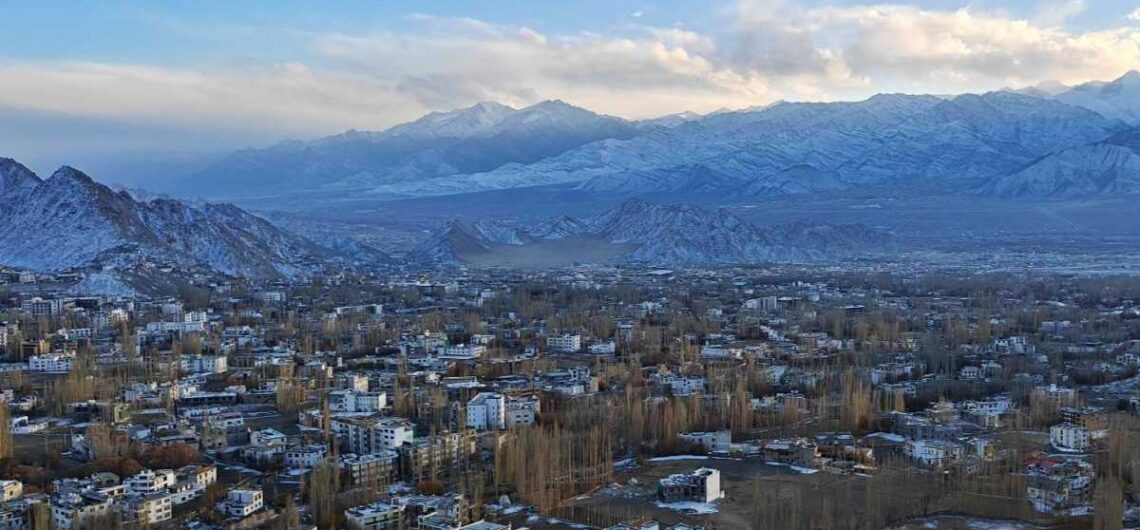
Nestled in the lap of the Himalayas, Leh, the capital of the Union Territory of Ladakh, is a dream destination for travelers from around the world. Perched at an altitude of 11,500 feet (3,500 meters), Leh is more than just a town—it’s an experience of a lifetime. Known for its stunning monasteries, snow-capped peaks, crystal-clear lakes, vibrant local culture, and adventurous terrain, Leh offers something unique to every visitor.
Whether you’re an adventure enthusiast, a spiritual seeker, a photographer, or simply someone longing for peace and beauty, Leh in Ladakh is a place that will leave you spellbound.
Introduction to Leh – Gateway to Ladakh
Leh is located in northern India, bordered by the mighty Karakoram and Zanskar mountain ranges. Once an important stop on the ancient Silk Route, Leh has a rich history of trade and cultural exchange with Tibet, Central Asia, and Kashmir. The region is home to ancient Buddhist monasteries, palaces, and stupas that reflect the deep-rooted Buddhist traditions of Ladakh.
Today, Leh serves as the main base for exploring the high-altitude wonders of Ladakh, including Nubra Valley, Pangong Lake, Tso Moriri, and Zanskar Valley. The town is also known for its friendly locals, colorful festivals, and a blend of traditional Ladakhi and modern influences.
Most Popular Ladakh Tours


6 Nights 7 Days Leh Ladakh Tour Package

Complete Ladakh with Hanle and Siachen (10 nights 11 days)

Kashmir and Ladakh Sightseeing Package - 10 Nights 11 Days

Leh Ladakh Tour Package with Hanle and Umling la pass (8 days)

Leh Ladakh Package for 9 Nights and 10 Days

Leh Ladakh Winter Tour Package for 5 Nights 6 Days

Leh Ladakh Luxury Tour Package (6 Nights 7 Days)


Leh Ladakh Winter Tour Package (6 Nights 7 Days)

Delhi - Manali - Leh Ladakh - Srinagar Jeep Safari (Road Trip)

Ladakh Package for 8 Nights and 9 Days


Manali-Shinkula pass- Gonbo Rangjon Tour Package from Delhi

Ladakh Package for 10 Nights and 11 Days
Delhi Manali Ladakh Package for 8 Nights and 9 Days

Srinagar Ladakh Manali Delhi Jeep Safari (10 Nights 11 Days)

Ladakh Package for 3 nights and 4 days


Delhi Manali Leh Srinagar Delhi Jeep Safari - 15 Days

Zanskar Valley with Leh Ladakh Tour Package for 11 Days

Zanskar Valley Tour Package from Delhi (7 Nights 8 Days)

Ladakh Package for 4 Nights and 5 Days with Nubra and Pangong

Ladakh Package for 4 Nights and 5 Days

Jammu - Srinagar -Ladakh -Manali -Delhi Jeep Safari

Ladakh Package for 7 Nights and 8 Days
Srinagar Leh Ladakh Manali Delhi Jeep Safari (11 Days)
Srinagar Ladakh Srinagar Package for 8 Nights 9 Days


Srinagar Leh Ladakh Srinagar Package for 8 Nights 9 Days

Delhi Manali Ladakh Manali Delhi Jeep Safari Package

Zanskar Valley Tour Package with Phugtal Monastery

Leh Ladakh Tour Package from Jammu for 8 nights 9 days

Srinagar - Ladakh - Srinagar Jeep Safari (Road Trip)

Leh Ladakh Tour Package from Manali (11 Nights 12 Days)

Leh Tour Package for 5 Nights 6 Days

6 nights 7 days Leh Ladakh Tour Package with Tso Moriri

Kargil Tour Package with Nubra and Pangong Lake

Zanskar Valley Tour Package from Manali (with Leh Ladakh)

Leh Manali Delhi Jeep Safari | Leh to Manali by Road

Nubra Valley and Pangong Lake Tour Package (5 Nights 6 Days)

Amritsar Manali Leh Bike Tour


Complete Leh Ladakh Tour Package from Srinagar

Srinagar - Ladakh Jeep Safari/Road trip - 8 Days

Pangong Lake Tour Package in Leh Ladakh


Manali Ladakh Manali Road Trip Package

Manali Leh Bike Tour (7 Days)

Manali Leh Ladakh Manali Bike Tour (12 Days)

Leh Srinagar Road Trip Package

5 Star Luxury Hotel Leh Ladakh Tour Package (5 Nights 6 Days)

2 nights 3 days leh ladakh tour package

Ladakh Tour Package with Mig La Pass (8 Nights 9 Days)

Delhi-Manali- Leh Ladakh -Zanskar- Delhi Tour Package by Road


Complete Zanskar Valley Tour Package from Leh (8 Nights 9 Days)

Budget Leh Ladakh Tour Package (5 Nights 6 Days)

4 Nights 5 Days Leh Ladakh Winter Tour Package

Ladakh with Kashmir Sightseeing Tour Package (11N 12D)

Leh Ladakh Photography Tour Package for 8 Nights 9 Days

7 Nights 8 Days Leh Ladakh Winter Tour Package
Geography and Altitude
Leh is located at an elevation of around 11,500 feet above sea level, which means the air is thin and oxygen levels are lower than at sea level. For first-time visitors, it’s important to acclimatize properly at Leh town for at least two days before engaging in strenuous activity or heading to higher altitudes.
The landscape around Leh is breathtaking—rugged mountains, barren hills, and deep valleys, all under a clear blue sky. Despite being a cold desert, the region enjoys plenty of sunshine during the day, though temperatures can drop drastically at night.
Best Time to Visit Leh
The best time to visit Leh is from May to September, when the weather is pleasant and all major roads and tourist attractions are open. During this period, you can easily access Leh by road from Manali and Srinagar.
Summer (May – September)
-
Temperature: 10°C to 30°C
-
Ideal for sightseeing, adventure sports, and photography.
-
Popular for Leh Palace, Shanti Stupa, Hall of Fame, Spituk Gompa, Zorabar Fort (Leh City Tour)
-
Magnetic Hill, Sangam, Khardung La, Nubra Valley, Pangong Lake, Hanle, Alchi, Likir, Lamayuru, Tso Moriri, Hemis, Thiksey, and Tso Moriri tours (In Leh district)
- Zanskar Valley, Kargil, Drass (Outside Leh district/in Kargil district)
Winter (October – April)
-
Temperature: -5°C to -25°C
-
Leh transforms into a snow-covered wonderland.
-
Ideal for those who want to experience winter treks, frozen lakes, and local festivals.
-
However, many hotels remain closed during this season, and the Leh-Manali and Leh-Srinagar highways are usually blocked by snow.
Popular Winter Tour Packages for Leh Ladakh
How to Reach Leh
By Air
Leh has an airport — Kushok Bakula Rimpochee Airport (IXL) — which is one of the highest commercial airports in the world. It is well connected with major cities like Delhi, Srinagar, Jammu, Chandigarh, and Mumbai.
By Road
You can reach Leh via two scenic highways:
-
Leh-Manali Highway (428 km) – Open from May to Mid-October. This route offers spectacular views of mountain passes like Tanglang La, and Baralacha La.
-
Leh-Srinagar Highway (434 km) – Open from May to November. This route passes through Kargil and offers relatively smoother driving conditions.
Many adventure enthusiasts prefer driving or biking to Leh, as the journey itself is as thrilling as the destination.
Top Tourist Attractions in and Around Leh City
1. Leh Palace
A 17th-century palace built by King Sengge Namgyal, Leh Palace resembles the Potala Palace in Lhasa, Tibet. It offers a panoramic view of the Leh town and surrounding valleys. The palace also houses ancient relics, paintings, and artifacts from the Namgyal dynasty.
2. Shanti Stupa
Perched on a hilltop, Shanti Stupa is one of Leh’s most iconic landmarks. Built by Japanese monks, this white-domed structure symbolizes world peace and offers stunning sunrise and sunset views over the Himalayas.
3. Hall of Fame
Operated by the Indian Army, the Hall of Fame Museum showcases the heroism of Indian soldiers and the history of Ladakh. It’s a must-visit for anyone who wishes to understand the bravery and sacrifices made by the Indian armed forces.
4. Magnetic Hill
Located around 30 km from Leh, Magnetic Hill is a mysterious spot where vehicles appear to move uphill on their own. It’s a fun and popular stop on the Leh-Kargil Highway.
5. Sangam Point
At Nimmu, about 35 km from Leh, you can witness the confluence of the Indus and Zanskar Rivers (Sangam) — one blue and the other green — creating a stunning natural spectacle.
6. Thiksey Monastery
One of the most beautiful monasteries in Ladakh, Thiksey Gompa is a 12-story complex resembling the Potala Palace. It houses an impressive statue of Maitreya Buddha and offers breathtaking views of the Indus Valley.
7. Hemis Monastery
Located 45 km from Leh, Hemis Monastery is the largest and richest monastery in Ladakh. It belongs to the Drukpa lineage of Buddhism and is famous for the Hemis Festival, celebrated every June in honor of Guru Padmasambhava.
8. Shey Palace and Monastery
Situated about 15 km from Leh, Shey was once the summer capital of Ladakh. The palace houses a magnificent 12-meter-tall gilded statue of Shakyamuni Buddha.
Nearby Attractions from Leh
Nubra Valley
A 5-6 hour drive from Leh over the famous Khardung La Pass (17,582 ft), Nubra Valley is known for its sand dunes, double-humped Bactrian camels, PoK border, and the Diskit Monastery.
Pangong Lake
Around 150 km from Leh, Pangong Tso is a mesmerizing high-altitude lake known for its shifting shades of blue. It gained global fame after being featured in the movie 3 Idiots.
Tso Moriri Lake
Located about 220 km from Leh, Tso Moriri is a tranquil lake surrounded by snow-capped mountains. It’s a paradise for bird watchers and photographers.
Popular Leh Ladakh Tour Packages
5 Star Luxury Hotel Leh Ladakh Tour Package (5 Nights 6 Days)
Delhi – Manali – Leh Ladakh – Srinagar Jeep Safari (Road Trip)
Ladakh Package for 4 Nights and 5 Days with Nubra and Pangong
Leh Ladakh Tour Package with Hanle and Umling la pass (8 days)
Local Cuisine in Leh
The food in Leh reflects a mix of Tibetan, Indian, and Central Asian influences. Some must-try dishes include:
-
Thukpa – A traditional noodle soup.
-
Momos – Steamed dumplings with meat or vegetable fillings.
-
Skyu – A Ladakhi pasta stew.
-
Butter Tea (Gur Gur Chai) – A salty tea made with yak butter.
-
Chang – A locally brewed barley beer often served during festivals.
You’ll find several cozy cafes and restaurants in Leh serving everything from local delicacies to continental dishes.
Where to Stay in Leh
Leh offers a wide range of accommodation options:
-
Luxury Hotels: The Grand Dragon Ladakh, The Abduz, and more
-
Mid-Range Hotels: Ladakh Residency, Shangrila, Paradise Ladakh, Bodhi Tree, Tsokar Retreat, Pal, Samaya, and more
-
Budget & Homestays: Ladakh Palace, Sipa, Rafica, Oasis, and many local homestays offering authentic Ladakhi hospitality.
It’s advisable to book your stay in advance, especially during the peak season (June to September).
Festivals and Culture
Leh is the cultural heart of Ladakh, and its festivals are a vibrant reflection of its Buddhist heritage. The most popular celebrations include:
-
Hemis Festival (June): Dedicated to Guru Padmasambhava, featuring mask dances and colorful performances.
-
Losar (February): The Ladakhi New Year celebrated with rituals, songs, and feasts.
-
Ladakh Festival (September): A cultural extravaganza showcasing Ladakhi music, dance, and traditional sports.
Travel Tips for Leh
-
Spend at least two days acclimatizing before exploring high-altitude areas.
-
Carry warm clothes, even in summer, as temperatures drop at night.
-
Stay hydrated and avoid alcohol in the first 24 hours.
-
Postpaid SIMs (BSNL, Airtel, Jio) work in Leh; prepaid cards from other states may not.
-
ATMs are available but may run out of cash—carry enough money.
-
Respect local culture, monasteries, and traditions.
Leh is not just a destination—it’s a journey of self-discovery. From its awe-inspiring landscapes and ancient monasteries to its kind-hearted people and adventurous spirit, Leh offers an experience that stays with you forever. Whether you’re watching the sunset from Shanti Stupa, crossing the mighty Khardung La, or simply sipping butter tea with a view of the Himalayas, Leh will leave an imprint on your soul.
So pack your bags, prepare your camera, and get ready to explore one of the most magical destinations on Earth—Leh, the Gateway to Ladakh.
At Discover Leh Ladakh, we organise the best, safe, secure and budget-friendly Ladakh tours with Leh. Contact us to get a free quote.
Frequently Asked Question (FAQs)
1. What is the best time to visit Leh?
The best time to visit Leh is from May to September when the weather is pleasant, roads are open, and all major tourist attractions are accessible. This period is ideal for sightseeing, trekking, and photography. With little cold nights, tourists can visit Ladakh even in October. Winters (November to April) are extremely cold but perfect for those seeking to experience snow and extreme winter.
2. How can I reach Leh?
You can reach Leh either by air or road.
-
By Air: Leh’s Kushok Bakula Rimpochee Airport (IXL) has regular flights from Delhi, Srinagar, Jammu, and Chandigarh.
-
By Road: Leh can be accessed via two scenic routes — Leh–Manali Highway and Leh–Srinagar Highway. Both routes remain open from May to October, offering breathtaking mountain views.
- The Manali-Darcha-Padum-Leh has become third road to reach Leh.
3. Is Leh open for tourists right now?
Yes, Leh is generally open for tourists for most of the year. However, during heavy snowfall or administrative restrictions, road travel can be affected. Air connectivity remains functional even during winter. Tourists are advised to check local advisories before traveling, especially in off-season months.
4. Do I need any permits to visit Leh or nearby areas?
Both Indian and Foreign tourists do not need any permits to visit Leh town. However, Inner Line Permits (ILP) for Indian tourists and Protected Area Permits (PAP) for foreign tourists are required for restricted areas like Pangong Lake, Khardung La, Nubra Valley, Tso Moriri, Hanle, and Changthang region. ILP can be easily obtained online or through registered tour operators in Leh and PAP can be obtained through travel agent in Leh or deputy commissioner office in Leh.
5. What are the must-visit places in and around Leh?
Some of the most popular attractions around Leh include:
-
Leh Palace
-
Shanti Stupa
- Hall of Fame
- Spituk Monastery
- Zorawar Fort
-
Magnetic Hill, Gurudwara Pathar Sahib, Sangam Point, Likir, Alchi
-
Thiksey and Hemis Monasteries
-
Khardung La Pass and Chang La Pass
-
Nubra Valley (Diskit, Hunder, Turtuk, Thang, Sumur, Panamik, Siachen Base etc)
-
Pangong Tso Lake
- Hanle
- Umling La and Mig La
-
Tso Moriri Lake and Tso Kar
6. What kind of accommodation is available in Leh?
Leh offers a wide range of accommodation options, from luxury hotels like The Grand Dragon Ladakh and Hotel Abduz to budget guesthouses and homestays. Many travelers also prefer eco-resorts and boutique stays that offer authentic Ladakhi experiences.
7. How is the mobile and internet connectivity in Leh?
Only postpaid SIM cards (Jio, Airtel and BSNL) work in Leh. Connectivity may drop in remote areas like Pangong.
8. What precautions should tourists take while visiting Leh?
-
Spend the first 02 days acclimatizing in Leh to avoid altitude sickness before going to higher areas.
-
Drink plenty of water and avoid alcohol initially.
-
Carry warm clothes, sunscreen, sunglasses, and basic medicines.
-
Keep some cash handy as ATMs may not always work.
-
Respect local customs and avoid littering.
- Only post-paid numbers (Jio, Airtel and BSNL) from other states work in Leh.
9. Is Leh safe for tourists?
Yes, Leh and the entire Ladakh region are very safe for tourists. The locals are welcoming and helpful, and the administration ensures safety even during high tourist seasons. However, travelers should follow guidelines related to altitude and weather conditions.
10. What festivals are celebrated in Leh?
Leh is famous for its colorful festivals, including:
-
Hemis Festival (June): Celebrated in honor of Guru Padmasambhava.
-
Losar Festival (February): The Ladakhi New Year.
-
Ladakh Festival (September): Showcases Ladakhi dance, music, and heritage.
There are a large number of other festivals and celebrations in Leh. Attending these festivals offers a great opportunity to experience the region’s rich culture and traditions.
11. Can I visit Leh during winter?
Yes, you can visit Leh during winter, though it’s extremely cold with temperatures dropping to -20°C or below. Only a few hotels with heating facility remain open, and flights are the only mode of travel. Winter is the best time for those who wish to experience frozen lakes, snow-clad landscapes, and the famous Chadar Trek on the frozen Zanskar River.
12. What is special about Leh for tourists?
Leh offers a rare combination of natural beauty, spiritual heritage, and adventure. From stunning monasteries and high-altitude lakes to trekking routes and mountain passes, Leh promises an unforgettable travel experience. Its unique culture, hospitality, and breathtaking scenery make it one of India’s most cherished destinations.

Comments