Nestled in the western part of Ladakh, close to the Line of Control (LoC), Drass (or Dras) is a small yet historically and geographically significant town located about 60 km west of Kargil and nearly 140 km from Srinagar. Popularly known as the “Gateway to Ladakh” and the second coldest inhabited place in the world, Drass is a destination where natural beauty, heroic history, and raw Himalayan landscapes come together to offer travelers an unforgettable experience. Dras lies in Kargil district of Union Territory of Ladakh. For those travelling from Srinagar to Leh via the iconic Srinagar–Leh Highway (NH1), Drass is the first major settlement of Ladakh and a perfect stopover to acclimatize, explore, and reflect. Why Visit Drass? Drass is not just another mountain town—it is a place that stands as a symbol of resilience, sacrifice, and patriotism. The region gained national and international attention during the 1999 Kargil War, and today, it proudly preserves the memory of the brave soldiers who laid down their lives defending the nation. Beyond its military history, Drass boasts lush green valleys, snow-capped peaks, alpine meadows, clear streams, and traditional Ladakhi villages, making it an ideal destination for nature lovers, photographers, history enthusiasts, and offbeat travelers. Location and Altitude Distance from Kargil: ~60 km Distance from Srinagar: ~140 km Distance from Leh: ~280 km Altitude: Approx. 3,300 metres (10,800 feet) above sea level Due to its high altitude and unique geographical setting, Drass experiences extreme winters, with temperatures often dropping below –30°C, earning it the reputation of being one of the coldest inhabited places on Earth. Best Time to Visit Drass The best time to visit Drass is from May to September, when the Srinagar–Leh highway remains open and the weather is relatively pleasant. Summer (May–September): Ideal for sightseeing, trekking, and travel Winter
Nestled in the western part of Ladakh, close to the Line of Control (LoC), Drass (or Dras) is a small yet historically and geographically significant town located about 60 km west of Kargil and nearly 140 km from Srinagar. Popularly known as the “Gateway to Ladakh” and the second coldest inhabited place in the world,
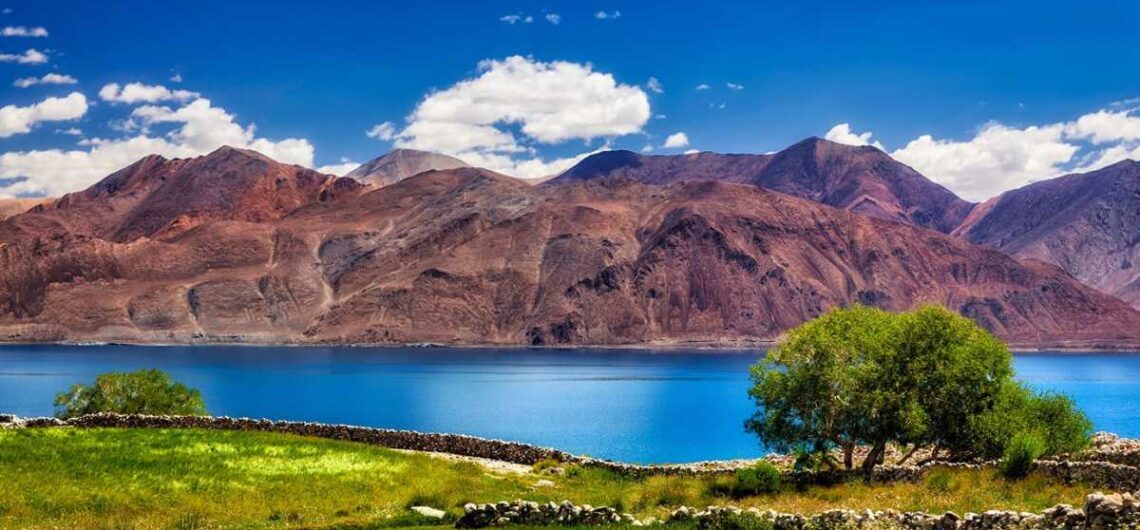
Pangong Lake (Pangong Tso) is one of the most iconic and photographed destinations in Ladakh, famous for its ever-changing shades of blue, dramatic mountain backdrop, and serene high-altitude setting. While most travelers focus on the lake itself, the villages located near the banks of Pangong Lake play a crucial role in shaping the cultural, ecological, and travel experience of this remote region. These villages offer an authentic glimpse into Ladakhi life, Changpa nomadic culture, and sustainable tourism in one of the world’s harshest environments. Staying or visiting these settlements allows travelers to experience Pangong beyond sightseeing—through local food, traditions, and stories. This article explores the main villages near Pangong Lake, their significance, accessibility, and what travelers can expect. Pangong Lake at a Glance Altitude: Approx. 4,225 metres (13,862 ft) Length: Around 134 km (two-thirds lies in Tibet/China) Location: Eastern Ladakh, close to the Indo-China border Best Time to Visit: May to September The Indian side of Pangong Lake is dotted with a few small but culturally rich villages that lie either directly on the banks or very close to the shoreline. Villages Near the Banks of Pangong Lake 1. Spangmik Village The Most Popular Village on Pangong Lake Spangmik village is the most well-known and frequently visited village near Pangong Lake. Located on the north-western bank, it serves as the primary tourist base for visitors. Highlights: Closest village to the most photographed part of Pangong Lake/Shooting Point. Homestays, guesthouses, cottages, and eco-camps available Spangmik village offers stunning sunrise and sunset views Easy access from Leh via Tangtse Spangmik village is ideal for travelers visiting Pangong Lake for the first time. Despite tourism growth, the village retains its traditional Ladakhi charm, with mud-brick houses, prayer flags, and grazing yaks. 2. Man Village A Quieter Alternative to Spangmik Located just a short
Pangong Lake (Pangong Tso) is one of the most iconic and photographed destinations in Ladakh, famous for its ever-changing shades of blue, dramatic mountain backdrop, and serene high-altitude setting. While most travelers focus on the lake itself, the villages located near the banks of Pangong Lake play a crucial role in shaping the cultural, ecological,