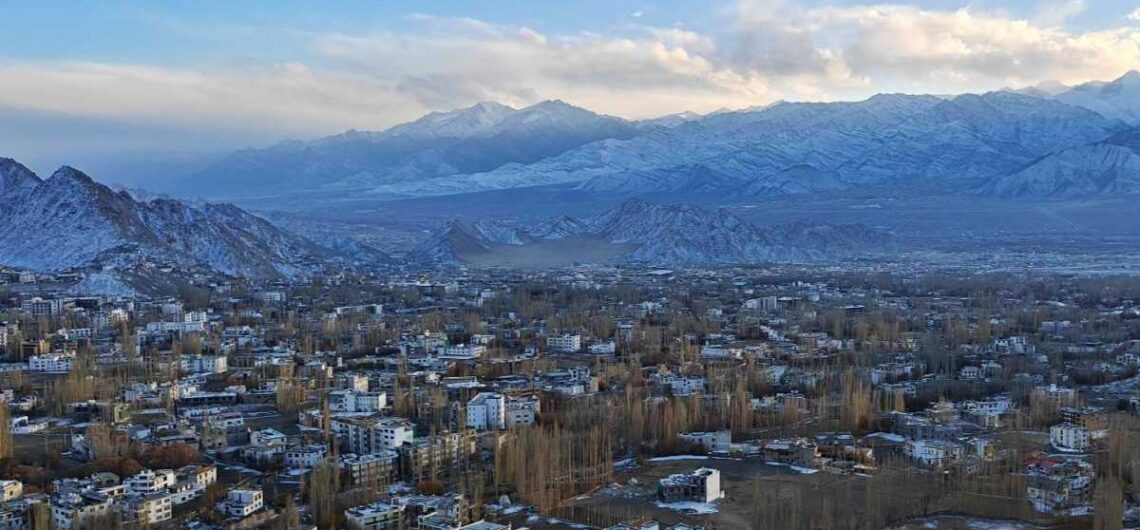
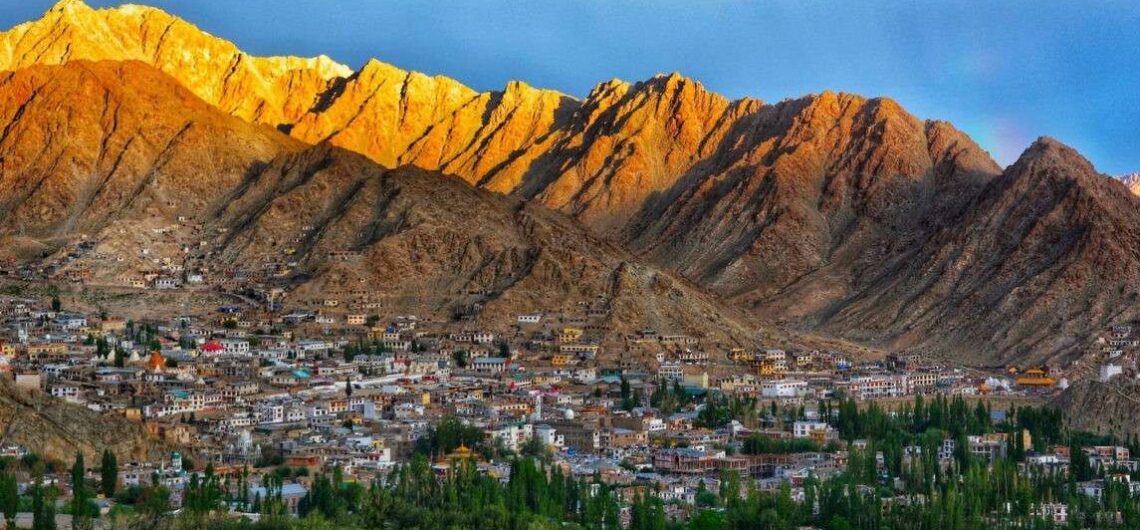
Nestled in the lap of the Himalayas, Leh, the capital of the Union Territory of Ladakh, is a dream destination for travelers from around the world. Perched at an altitude of 11,500 feet (3,500 meters), Leh is more than just a town—it’s an experience of a lifetime. Known for its stunning monasteries, snow-capped peaks, crystal-clear lakes, vibrant local culture, and adventurous terrain, Leh offers something unique to every visitor. Whether you’re an adventure enthusiast, a spiritual seeker, a photographer, or simply someone longing for peace and beauty, Leh in Ladakh is a place that will leave you spellbound. Introduction to Leh – Gateway to Ladakh Leh is located in northern India, bordered by the mighty Karakoram and Zanskar mountain ranges. Once an important stop on the ancient Silk Route, Leh has a rich history of trade and cultural exchange with Tibet, Central Asia, and Kashmir. The region is home to ancient Buddhist monasteries, palaces, and stupas that reflect the deep-rooted Buddhist traditions of Ladakh. Today, Leh serves as the main base for exploring the high-altitude wonders of Ladakh, including Nubra Valley, Pangong Lake, Tso Moriri, and Zanskar Valley. The town is also known for its friendly locals, colorful festivals, and a blend of traditional Ladakhi and modern influences. Geography and Altitude Leh is located at an elevation of around 11,500 feet above sea level, which means the air is thin and oxygen levels are lower than at sea level. For first-time visitors, it’s important to acclimatize properly at Leh town for at least two days before engaging in strenuous activity or heading to higher altitudes. The landscape around Leh is breathtaking—rugged mountains, barren hills, and deep valleys, all under a clear blue sky. Despite being a cold desert, the region enjoys plenty of sunshine during the day, though temperatures can
Nestled in the lap of the Himalayas, Leh, the capital of the Union Territory of Ladakh, is a dream destination for travelers from around the world. Perched at an altitude of 11,500 feet (3,500 meters), Leh is more than just a town—it’s an experience of a lifetime. Known for its stunning monasteries, snow-capped peaks, crystal-clear
The ongoing curfew in Leh district of Ladakh is dealing a fresh blow to the region’s tourism industry, which has already been struggling this year due to the Pahalgam tourist attack and the unusually heavy monsoon season. While authorities have ensured that tourists are neither harmed nor harassed anywhere in Ladakh and the police continue to extend full cooperation, the closure of markets and restrictions under Section 163 of the BNSS have created an atmosphere of unease. Many visitors report feeling insecure, fearing that the situation could escalate unexpectedly. Currently, a significant number of tourists are present in Leh, with more arriving daily by flights and by road from Srinagar and Manali. However, footfall has dropped noticeably since the recent protests that left nearly 100 people, mostly youth, injured, four of whom tragically lost their lives. Local hoteliers and travel agents confirm that while some visitors have cancelled or postponed their trips, resulting in reduced hotel occupancy, most tourists with pre-booked packages are still choosing to travel. Although the end of September traditionally marks the close of Ladakh’s peak tourism season—with most hotels suspending operations for the winter break in October—tourist footfall this year remained moderate and satisfactory, largely driven by the festive season. While the current curfew may not significantly impact tourism in this lean period, it has nonetheless disrupted businesses that were relying on confirmed bookings. More importantly, it has affected the overall tourism sentiment and the reputation of Ladakh as a safe and welcoming destination. The tourism sector in Ladakh had already suffered setbacks earlier this season. The Pahalgam incident, in which militants targeted innocent tourists, cast a shadow over the peak travel period. This was followed by incessant rains and unseasonal snowfall in August, further impacting visitor numbers. Now, the curfew and prevailing unrest have raised
The ongoing curfew in Leh district of Ladakh is dealing a fresh blow to the region’s tourism industry, which has already been struggling this year due to the Pahalgam tourist attack and the unusually heavy monsoon season. While authorities have ensured that tourists are neither harmed nor harassed anywhere in Ladakh and the police continue
Over the past few months, Ladakh tourism has witnessed an unexpected decline, largely due to misinformation and rumors following the India-Pakistan conflict of May 2025. While the situation on the borders has always remained peaceful at tourist locations, many Indian travelers have unfortunately chosen to postpone or cancel their Ladakh travel plans out of fear or uncertainty. Yet, the reality on the ground is very different. Ladakh remains one of the safest and most secure destinations in India, with no instances of militancy, cross-border threats, or any danger to tourists. Here's a detailed look at why you should confidently plan your trip to Ladakh this season — and why now is perhaps the best time to explore this Himalayan paradise. ✅ Ladakh is Safe: Misinformation is the Real Threat Contrary to online rumors and unverified reports, there has been no disturbance in or around the tourist circuits of Ladakh — not even during the height of the India-Pakistan tensions in May 2025. All major travel routes remain open, and all areas including Leh, Nubra Valley, Turtuk, Pangong Lake, Hanle, Tso Moriri, and Zanskar Valley are calm and fully accessible. The Indian Army secures Ladakh's vast borders. Tourist destinations are hundreds of kilometers away from the actual border areas. There have been zero instances of violence or cross-border terror attacks in Ladakh. Even during the conflict, tourists were travelling freely and enjoying Ladakh’s beauty. Still, due to the spread of false information, domestic tourist numbers have dropped by nearly 50% — a major blow to Ladakh's tourism-driven economy. 🏞️ Why You Should Visit Ladakh Now Despite the dip in tourism, foreign tourists are continuing to visit Ladakh without concern. Here's why Indian travelers should too: 1. Ladakh is Open and Welcoming Roads and highways (including Leh-Manali and Leh-Srinagar) are well maintained
Over the past few months, Ladakh tourism has witnessed an unexpected decline, largely due to misinformation and rumors following the India-Pakistan conflict of May 2025. While the situation on the borders has always remained peaceful at tourist locations, many Indian travelers have unfortunately chosen to postpone or cancel their Ladakh travel plans out of fear