Tourism in Ladakh During Monsoon Season: Why July-September is Ideal for Visiting
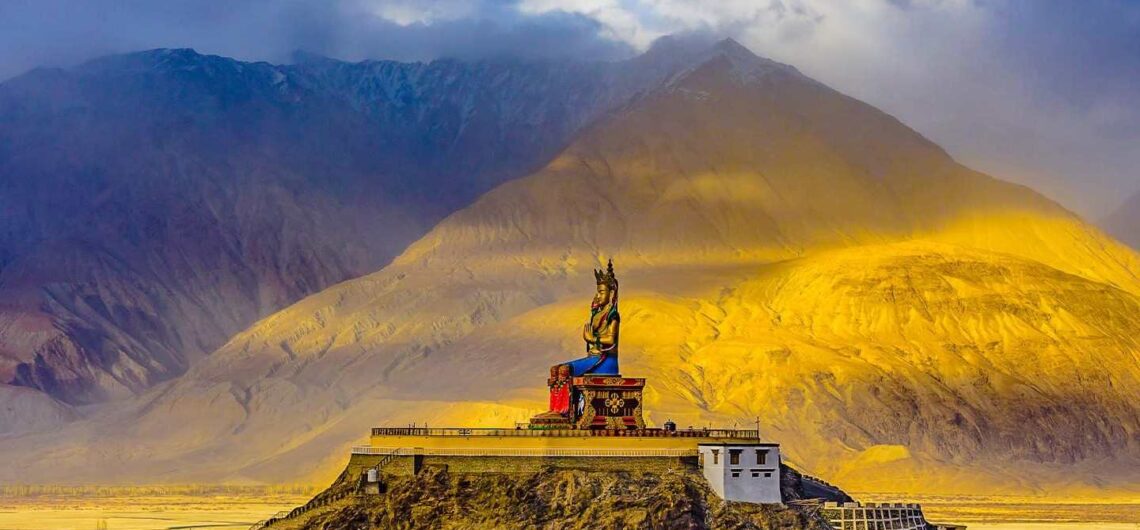
While most of India battles heavy rains and landslides during the monsoon season (July to mid-September), Ladakh remains a perfect escape with its minimal rainfall, open roads, and stunning landscapes. Unlike popular hill stations like Shimla, Manali, Kashmir, Uttarakhand, or Darjeeling, where tourism slows down due to incessant rains, Ladakh experiences a steady flow of visitors during these months.
This article explores why monsoon is a great time to visit Ladakh, what to expect, and how to plan a hassle-free trip.
Most Popular Tours


6 Nights 7 Days Leh Ladakh Tour Package

Complete Ladakh with Hanle and Siachen (10 nights 11 days)

Kashmir and Ladakh Sightseeing Package - 10 Nights 11 Days

Leh Ladakh Tour Package with Hanle and Umling la pass (8 days)

Leh Ladakh Package for 9 Nights and 10 Days

Leh Ladakh Winter Tour Package for 5 Nights 6 Days

Leh Ladakh Luxury Tour Package (6 Nights 7 Days)


Leh Ladakh Winter Tour Package (6 Nights 7 Days)

Delhi - Manali - Leh Ladakh - Srinagar Jeep Safari (Road Trip)

Ladakh Package for 8 Nights and 9 Days


Manali-Shinkula pass- Gonbo Rangjon Tour Package from Delhi

Ladakh Package for 10 Nights and 11 Days
Delhi Manali Ladakh Package for 8 Nights and 9 Days

Srinagar Ladakh Manali Delhi Jeep Safari (10 Nights 11 Days)

Ladakh Package for 3 nights and 4 days


Delhi Manali Leh Srinagar Delhi Jeep Safari - 15 Days

Zanskar Valley with Leh Ladakh Tour Package for 11 Days

Zanskar Valley Tour Package from Delhi (7 Nights 8 Days)

Ladakh Package for 4 Nights and 5 Days with Nubra and Pangong

Ladakh Package for 4 Nights and 5 Days

Jammu - Srinagar -Ladakh -Manali -Delhi Jeep Safari

Ladakh Package for 7 Nights and 8 Days
Srinagar Leh Ladakh Manali Delhi Jeep Safari (11 Days)
Srinagar Ladakh Srinagar Package for 8 Nights 9 Days


Srinagar Leh Ladakh Srinagar Package for 8 Nights 9 Days

Delhi Manali Ladakh Manali Delhi Jeep Safari Package

Zanskar Valley Tour Package with Phugtal Monastery

Leh Ladakh Tour Package from Jammu for 8 nights 9 days

Srinagar - Ladakh - Srinagar Jeep Safari (Road Trip)

Leh Ladakh Tour Package from Manali (11 Nights 12 Days)

Leh Tour Package for 5 Nights 6 Days

6 nights 7 days Leh Ladakh Tour Package with Tso Moriri

Kargil Tour Package with Nubra and Pangong Lake

Zanskar Valley Tour Package from Manali (with Leh Ladakh)

Leh Manali Delhi Jeep Safari | Leh to Manali by Road

Nubra Valley and Pangong Lake Tour Package (5 Nights 6 Days)

Amritsar Manali Leh Bike Tour


Complete Leh Ladakh Tour Package from Srinagar

Srinagar - Ladakh Jeep Safari/Road trip - 8 Days

Pangong Lake Tour Package in Leh Ladakh


Manali Ladakh Manali Road Trip Package

Manali Leh Bike Tour (7 Days)

Manali Leh Ladakh Manali Bike Tour (12 Days)

Leh Srinagar Road Trip Package

5 Star Luxury Hotel Leh Ladakh Tour Package (5 Nights 6 Days)

2 nights 3 days leh ladakh tour package

Ladakh Tour Package with Mig La Pass (8 Nights 9 Days)

Delhi-Manali- Leh Ladakh -Zanskar- Delhi Tour Package by Road


Complete Zanskar Valley Tour Package from Leh (8 Nights 9 Days)

Budget Leh Ladakh Tour Package (5 Nights 6 Days)

4 Nights 5 Days Leh Ladakh Winter Tour Package

Ladakh with Kashmir Sightseeing Tour Package (11N 12D)

Leh Ladakh Photography Tour Package for 8 Nights 9 Days

7 Nights 8 Days Leh Ladakh Winter Tour Package
Why Visit Ladakh in Monsoon Season?
1. Minimal Rainfall – A Rain Shadow Region
-
Ladakh is a high-altitude cold desert, shielded by the Himalayas and Karakoram ranges, preventing heavy monsoon clouds from entering.
-
While other parts of India sometimes face floods and landslides, Ladakh receives only occasional light showers.
-
Rainfall frequency has increased slightly in recent years, but heavy downpours are rare.
2. All Tourist Destinations Remain Open
-
Unlike Kashmir or Himachal, where roads often close due to landslides, Ladakh’s highways (Leh-Manali & Leh-Srinagar) stay operational unless extreme weather hits.
-
All major attractions—Pangong Lake, Nubra Valley, Tso Moriri, Zanskar, Hanle, Turtuk, Siachen Base Camp, Kargil, and other major tourist destinations —remain accessible.
3. Pleasant Weather & Clear Skies
-
Day Temperature: 20°C to 30°C (Leh & Nubra).
-
Night Temperature: 10°C to 15°C (colder at Pangong & Tso Moriri).
-
Blue skies with scattered clouds enhance photography opportunities.
4. Fewer Crowds (Except Peak July-August)
-
September sees fewer tourists, making it ideal for a peaceful trip.
-
Hotels are easily available compared to June-July rush.
5. Festivals & Cultural Events
-
Ladakh Festival (September) – A grand celebration of local culture, dance, and music.
-
Monastic Festivals (Hemis, Thiksey, Lamayuru) – Masked dances (Cham) and rituals.
Ladakh: The Rain Shadow Sanctuary
The magic of Ladakh during these months lies in its geographical positioning. Nestled in the rain shadow of the mighty Himalayan ranges, it is largely shielded from the moisture-laden clouds that sweep across the Indian subcontinent. Historically, Ladakh would receive only one or two brief showers of rain annually. While climate patterns are evolving, and the frequency of rainfall has seen a slight increase in recent years, the region still rarely experiences the heavy, incessant rains that bring other hill stations to a standstill.
This unique characteristic allows Ladakh to flourish as a prime tourist destination during a period when many other popular mountain getaways become less accessible or enjoyable due to persistent wet weather.
Planning Leh Ladakh Tour Packages in Monsoon Season
1. Leh Ladakh Tour Packages in July
Ladakh in July: Tour Packages, Weather, Planning, and Information
2. Leh Ladakh Tour Packages in August
Leh Ladakh in August: Weather, Tour Packages, Planning & Information
3. Leh Ladakh Tour Packages in September
Pleasant Weather and Open Roads
One of the most appealing aspects of visiting Ladakh in the monsoon season is the comfortable climate. In Leh and the lower areas, the day temperature typically ranges from 25 to 30 degrees Celsius, offering warm and pleasant conditions for exploration. Even at higher altitudes like Tso Moriri and Pangong Lake, temperatures remain milder, often around 15 degrees Celsius. Nights in Leh and nearby areas are cool but not chilling, with temperatures hovering between 13 to 18 degrees Celsius.
The skies are often a vibrant blue, adorned with artistic white cloud patches, creating stunning photographic opportunities. Crucially, all roads and tourist places mostly remain open during this time. This means unfettered access to iconic destinations like Nubra Valley (including Turtuk and Siachen Base Camp), Pangong Lake, Hanle, Umling La, Changla, Khardungla, Tso Moriri, Tsokar, Sham Valley, Kargil, Drass, Aryan Valley, and the majestic Zanskar Valley.
While it’s true that isolated, torrential downpours for brief periods can sometimes lead to temporary road blockages – particularly because the dry, muddy mountains of Ladakh aren’t accustomed to heavy rainfall – these instances are generally rare and short-lived. The high mountain ranges truly act as guardians, protecting this high-altitude land from dense monsoon clouds.
Challenges of Monsoon Travel in Ladakh
1. Occasional Road Blockages
-
Flash floods or landslides can temporarily block highways (Leh-Manali/Srinagar).
-
Solution: Have a flexible itinerary or fly directly to Leh if road conditions are uncertain.
2. Flight Delays Due to Low Visibility
-
Leh Airport (Kushok Bakula Rimpochee) operates normally, but Delhi/Srinagar flights may get delayed.
-
Solution: Book morning flights (better visibility) and keep buffer days.
3. Rising Water Levels in Rivers
-
Glacial melt due to rising temperatures can increase water flow in Zanskar & Indus rivers.
-
Solution: Avoid risky river crossings and follow local advisories.
The Impact of Changing Climate: A Nuanced Perspective
It’s important to acknowledge the evolving climate. Local residents have observed an increase in rainfall frequency over the years. However, a more significant concern in Ladakh is the rise in temperature. With increasing temperatures, the snow on the peaks melts at a faster rate, which can sometimes trigger flash floods, landslides, and a rise in water levels in rivers. While this is a real phenomenon, it’s typically localized and temporary, and with proper planning and flexibility, it doesn’t detract from the overall travel experience.
Why Monsoon Continues to Be Peak Season
Despite the occasional challenges posed by changing weather patterns, the tourism season in Ladakh is relatively short, spanning from May to September, when its vital connecting roads are open and the weather is generally pleasant. This limited window means that tourists embrace the monsoon months wholeheartedly. July and August, in particular, witness a significant influx of tourists, making it a bustling and lively period. So popular is this time that securing good hotels in September can sometimes be challenging.
Adding to the allure, Ladakh hosts various vibrant cultural events during the monsoon. The Ladakh Festival, often organized in September, is a major draw, showcasing the rich traditions, music, and dances of the region. Similarly, numerous Buddhist festivals are celebrated during the monsoon season, offering a deep dive into Ladakh’s spiritual heritage and providing unique cultural experiences for visitors.
Best Places to Visit in Ladakh During Monsoon
1. Pangong Tso Lake
-
Turquoise-blue waters against barren mountains.
-
Fewer crowds compared to peak season.
2. Nubra Valley
-
Sand dunes, double-humped camels, and Diskit Monastery.
-
Hunder & Turtuk villages offer unique cultural experiences.
3. Tso Moriri Lake
-
Remote & pristine high-altitude lake in Changthang.
-
Ideal for birdwatching and stargazing.
4. Zanskar Valley
-
Karsha Monastery, Phugtal Cave Monastery, Stongdey monastery, Dzongkul monastery, Sani gompa, and Padum.
-
Drang Drung Glacier (visible from Kargil-Padum road), Gonbo Rangjon, Rangdum, Pensi La pass, and many more.
5. Leh City & Monasteries
-
Hemis, Thiksey, Shey, and Alchi monasteries.
-
Shanti Stupa & Leh Palace for panoramic views.
Popular Leh Ladakh Tour Packages
Delhi – Manali – Leh Ladakh – Srinagar Jeep Safari (Road Trip)
Ladakh Package for 4 Nights and 5 Days with Nubra and Pangong
Leh Ladakh Tour Package with Hanle and Umling la pass (8 days)
Travel Tips for Monsoon Season in Ladakh
✔ Book Flights Over Road Trips (If Unpredictable Weather) – Reduces risk of highway blockages.
✔ Pack Light Woolens & Rain Gear – Evenings can be chilly; sudden showers possible.
✔ Check Road Conditions – Follow @LehTrafficPolice (Twitter) for updates.
✔ Stay Hydrated & Acclimatize – Altitude sickness is a bigger threat than rain.
✔ Choose Experienced Tour Operators – Like Discover Leh Ladakh, which offers flexible itineraries in case of road closures.
Why Choose Discover Leh Ladakh for Monsoon Tours?
✅ Last-Minute Itinerary Changes – If one route is blocked, we adjust plans instantly.
✅ Expert Local Drivers – Know safe alternate routes.
✅ Best Hotel Deals – Avoid last-minute price surges.
✅ Safety First Approach – 24/7 support during trips.
📞 Contact us for monsoon-special Ladakh packages!
Is Monsoon a Good Time for Ladakh?
✅ Yes!
-
Minimal rain disruptions.
-
Open roads & attractions.
-
Fewer crowds.
-
Perfect for photography & cultural festivals.
Don’t let monsoon myths stop you—Ladakh is waiting!
#LadakhInMonsoon #LehLadakhTravel #MonsoonTravelGuide #BestTimeForLadakh #DiscoverLehLadakh

Comments