sā Ladakh Biennale 2026: Where Art, Culture and the Himalayas Come Together
Ladakh has long been known for its dramatic mountain landscapes, ancient monasteries, crystal-clear skies, and adventurous road journeys. Every year, thousands of travelers visit this Himalayan wonderland to experience its breathtaking beauty and unique culture. In August 2026, however, Ladakh will offer visitors something entirely different—an extraordinary blend of art, community, culture, and sustainable travel through the inaugural sā Ladakh Biennale 2026.
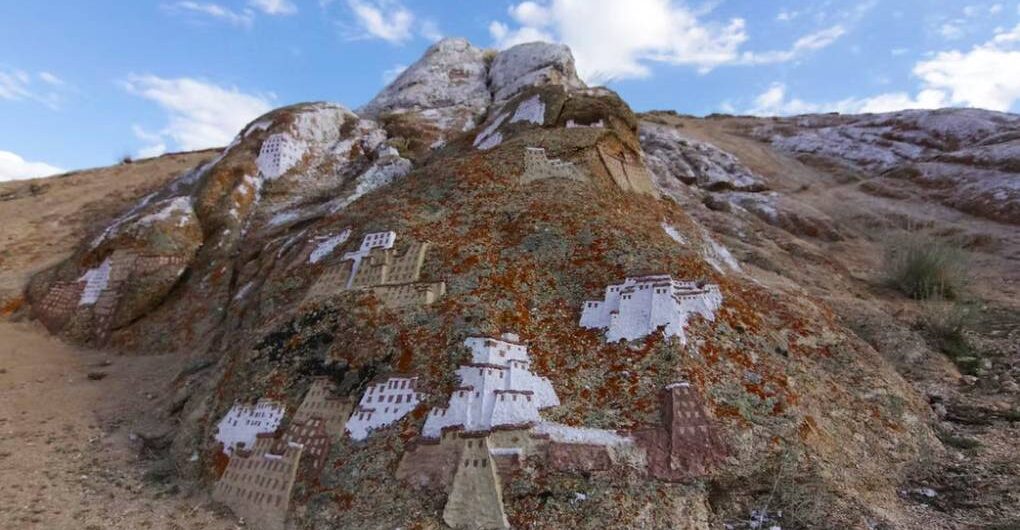
Taking place from 1 to 10 August 2026, the sā Ladakh Biennale is being described as the world’s highest regenerative art biennale, unfolding across the spectacular landscapes of Ladakh at elevations above 3,000 metres. Rather than being confined to galleries or exhibition halls, the biennale transforms villages, mountain landscapes, cultural sites, and community spaces into an open-air canvas for artistic expression.
For more information about the event, visit their official website https://www.sabiennale.com
Most Popular Tours


6 Nights 7 Days Leh Ladakh Tour Package

Complete Ladakh with Hanle and Siachen (10 nights 11 days)

Kashmir and Ladakh Sightseeing Package - 10 Nights 11 Days

Leh Ladakh Tour Package with Hanle and Umling la pass (8 days)

Leh Ladakh Package for 9 Nights and 10 Days

Leh Ladakh Winter Tour Package for 5 Nights 6 Days

Leh Ladakh Luxury Tour Package (6 Nights 7 Days)


Leh Ladakh Winter Tour Package (6 Nights 7 Days)

Delhi - Manali - Leh Ladakh - Srinagar Jeep Safari (Road Trip)

Ladakh Package for 8 Nights and 9 Days


Manali-Shinkula pass- Gonbo Rangjon Tour Package from Delhi

Ladakh Package for 10 Nights and 11 Days
Delhi Manali Ladakh Package for 8 Nights and 9 Days

Srinagar Ladakh Manali Delhi Jeep Safari (10 Nights 11 Days)

Ladakh Package for 3 nights and 4 days


Delhi Manali Leh Srinagar Delhi Jeep Safari - 15 Days

Zanskar Valley with Leh Ladakh Tour Package for 11 Days

Zanskar Valley Tour Package from Delhi (7 Nights 8 Days)

Ladakh Package for 4 Nights and 5 Days with Nubra and Pangong

Ladakh Package for 4 Nights and 5 Days

Jammu - Srinagar -Ladakh -Manali -Delhi Jeep Safari

Ladakh Package for 7 Nights and 8 Days
Srinagar Leh Ladakh Manali Delhi Jeep Safari (11 Days)
Srinagar Ladakh Srinagar Package for 8 Nights 9 Days


Srinagar Leh Ladakh Srinagar Package for 8 Nights 9 Days

Delhi Manali Ladakh Manali Delhi Jeep Safari Package

Zanskar Valley Tour Package with Phugtal Monastery

Leh Ladakh Tour Package from Jammu for 8 nights 9 days

Srinagar - Ladakh - Srinagar Jeep Safari (Road Trip)

Leh Ladakh Tour Package from Manali (11 Nights 12 Days)

Leh Tour Package for 5 Nights 6 Days

6 nights 7 days Leh Ladakh Tour Package with Tso Moriri

Kargil Tour Package with Nubra and Pangong Lake

Zanskar Valley Tour Package from Manali (with Leh Ladakh)

Leh Manali Delhi Jeep Safari | Leh to Manali by Road

Nubra Valley and Pangong Lake Tour Package (5 Nights 6 Days)

Amritsar Manali Leh Bike Tour


Complete Leh Ladakh Tour Package from Srinagar

Srinagar - Ladakh Jeep Safari/Road trip - 8 Days

Pangong Lake Tour Package in Leh Ladakh


Manali Ladakh Manali Road Trip Package

Manali Leh Bike Tour (7 Days)

Manali Leh Ladakh Manali Bike Tour (12 Days)

Leh Srinagar Road Trip Package

5 Star Luxury Hotel Leh Ladakh Tour Package (5 Nights 6 Days)

2 nights 3 days leh ladakh tour package

Ladakh Tour Package with Mig La Pass (8 Nights 9 Days)

Delhi-Manali- Leh Ladakh -Zanskar- Delhi Tour Package by Road


Complete Zanskar Valley Tour Package from Leh (8 Nights 9 Days)

Budget Leh Ladakh Tour Package (5 Nights 6 Days)

4 Nights 5 Days Leh Ladakh Winter Tour Package

Ladakh with Kashmir Sightseeing Tour Package (11N 12D)

Leh Ladakh Photography Tour Package for 8 Nights 9 Days

7 Nights 8 Days Leh Ladakh Winter Tour Package
What Makes sā Ladakh Biennale Different?
Unlike traditional art festivals held inside museums or convention centres, the sā Ladakh Biennale is designed as a “non-white cube” experience. This means art is presented within real environments and communities rather than isolated gallery spaces. Visitors encounter artworks while traveling through villages, landscapes, and historic routes that have connected cultures for centuries.
The word “sā” means soil in the Ladakhi language, reflecting the biennale’s deep connection with land, ecology, and local communities. The event focuses on three central themes:
- Climate
- Culture
- Community
These themes are woven into every aspect of the biennale, encouraging visitors to engage thoughtfully with Ladakh’s fragile ecosystem and rich cultural heritage.
Signals from Another Star
The theme of the 2026 edition is “Signals from Another Star.” Curators describe it as an invitation to listen closely to the stories carried by landscapes, memories, weather patterns, local traditions, and the lived experiences of Himalayan communities. Rather than focusing solely on visual art, the biennale encourages reflection on humanity’s relationship with nature and the future of our planet.
For travelers, this means every stop becomes more than a sightseeing destination. A village path, a mountain pass, a riverside settlement, or an ancient trade route may become part of an immersive artistic experience that blends naturally with its surroundings.
A Journey Across the Leh–Kargil Corridor
One of the most exciting aspects of the biennale is its geographical spread. The event unfolds across approximately 230 kilometres along the historic Leh–Kargil corridor, covering multiple locations connected by the ancient Silk Route.
Instead of spending a few hours in a single venue, visitors are encouraged to travel slowly across Ladakh, discovering artworks, cultural interactions, and local communities along the way. The biennale can be explored from either direction, beginning in Leh or Kargil, allowing travelers to create their own personalized itinerary.
This format transforms the journey itself into the destination.
Art in the Heart of Nature
The landscapes of Ladakh are among the most dramatic on Earth. Towering mountains, high-altitude deserts, ancient monasteries, glacial rivers, and traditional villages create a natural backdrop unlike any conventional art gallery.
At the sā Ladakh Biennale, artworks are designed specifically for these environments. Many projects are site-responsive, meaning they are created in direct conversation with the local landscape and community. Visitors may encounter installations in remote valleys, artistic interventions in villages, community-led projects, and environmentally conscious works made using local materials.
This approach creates a deeper connection between art and place, making every encounter memorable and meaningful.
A New Reason to Visit Ladakh
Many travelers visit Ladakh for motorbike expeditions, trekking adventures, monasteries, and photography. The biennale introduces a completely new dimension to Himalayan tourism.
Imagine spending the morning exploring an art installation in a remote village, enjoying lunch with local families, visiting a centuries-old monastery in the afternoon, and watching the sunset over a mountain landscape that itself becomes part of an artistic experience.
This combination of culture, creativity, and responsible travel offers something rare in modern tourism: the opportunity to slow down and truly connect with a destination.
Supporting Sustainable and Responsible Tourism
One of the most impressive aspects of the sā Ladakh Biennale is its commitment to sustainability.
Ladakh is a fragile high-altitude ecosystem facing challenges related to climate change, water availability, and environmental pressures from increasing tourism. Organizers have therefore placed regeneration and ethical engagement at the centre of the biennale’s vision.
Visitors are encouraged to:
- Travel responsibly
- Respect local traditions
- Minimize waste
- Support local communities
- Spend more time in villages and cultural spaces
- Engage meaningfully with residents and landscapes
The biennale promotes the idea that tourism should leave behind understanding, appreciation, and care rather than environmental pressure.
Community at the Centre
Unlike many international art festivals that primarily cater to urban audiences, the sā Ladakh Biennale places local communities at the heart of its activities.
Artists collaborate with residents, schools, cultural organizations, and community groups to create projects that reflect local realities and aspirations. Workshops, learning programmes, residencies, and community-led initiatives are integrated into the event, ensuring that cultural exchange flows in multiple directions.
For travelers, this offers an authentic opportunity to interact with Ladakh beyond its tourist attractions.
Popular Leh Ladakh Tour Packages in September
Delhi – Manali – Leh Ladakh – Srinagar Jeep Safari (Road Trip)
Ladakh Package for 4 Nights and 5 Days with Nubra and Pangong
Leh Ladakh Tour Package with Hanle and Umling la pass (8 days)
Practical Travel Information
The sā Ladakh Biennale will run from 1–10 August 2026 and is completely non-ticketed, making it accessible to everyone. There is no single opening or closing ceremony; instead, visitors can experience the biennale at their own pace throughout the event period.
The nearest airport is Kushok Bakula Rimpochee Airport in Leh, which connects Ladakh with major Indian cities. Since Ladakh sits at high altitude, travelers should allow time for acclimatization before undertaking extensive sightseeing or travel.
August is one of the most pleasant times to visit Ladakh, offering comfortable daytime temperatures and excellent conditions for road travel across the region.
Why sā Ladakh Biennale 2026 Matters
In a world where travel often becomes rushed and predictable, the sā Ladakh Biennale offers something refreshingly different. It invites travelers to slow down, pay attention, and experience Ladakh through art, culture, ecology, and human connection.
It is not merely an exhibition. It is a journey across one of the world’s most spectacular mountain regions, where contemporary creativity meets ancient traditions, and where every village, landscape, and conversation becomes part of the experience.
For travelers seeking more than just photographs and sightseeing, the sā Ladakh Biennale 2026 promises an unforgettable adventure—one that combines exploration, learning, and inspiration in the heart of the Himalayas.
As Ladakh continues to emerge as one of India’s most fascinating cultural destinations, the sā Ladakh Biennale may well become one of the defining travel experiences of 2026. Whether you are an art enthusiast, a cultural traveler, a photographer, or simply someone who loves discovering places in meaningful ways, this unique event deserves a place on your Ladakh itinerary.

Comments