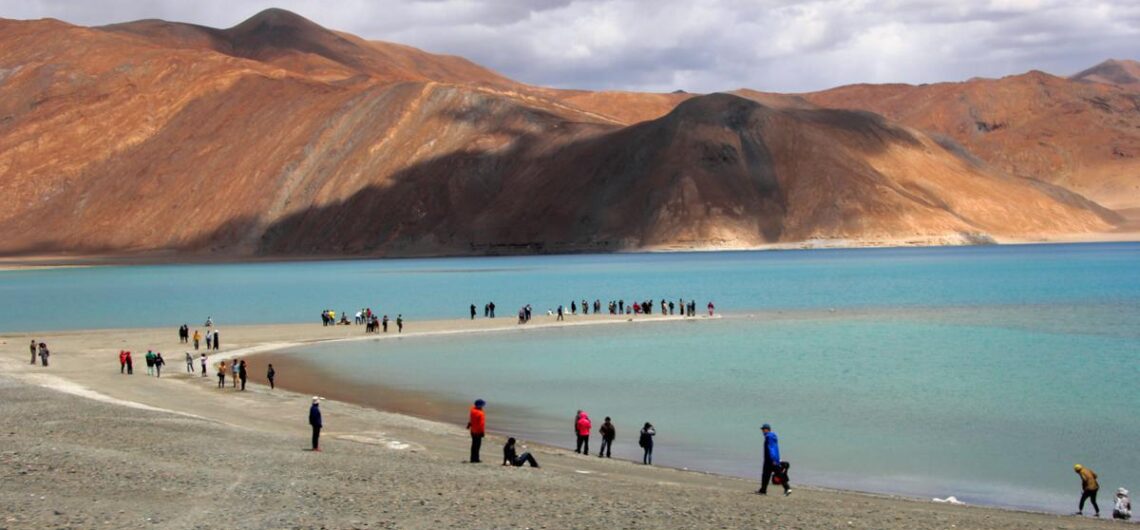
When people think of travelling during the monsoon season, Ladakh is probably the last place that comes to mind. Surprisingly, July and August are among the best months to visit Ladakh. While most parts of India experience heavy rainfall, Ladakh remains largely dry due to its unique geographical location in the rain shadow region of the Himalayas. The spectacular landscapes, pleasant weather, crystal-clear skies, lush green valleys, blooming flowers, and vibrant festivals make the monsoon season one of the most rewarding times to explore the Land of High Passes. Whether you're planning a family vacation, honeymoon, group tour, photography expedition, or an adventurous road trip, our Leh Ladakh Monsoon Tour Packages are carefully designed to offer a safe, comfortable, and unforgettable travel experience. Why Visit Ladakh During the Monsoon Season? Unlike Himachal Pradesh, Uttarakhand, or Kashmir, Ladakh receives very little rainfall throughout the year. The mighty Himalayan ranges block most of the monsoon clouds, creating a cold desert climate where rainfall is minimal. As a result, travellers can enjoy breathtaking mountain landscapes, high-altitude lakes, ancient monasteries, colourful festivals, and adventure activities without worrying about continuous rain. The weather during July and August remains pleasant, making sightseeing comfortable throughout the day. Is It Safe to Visit Ladakh During July and August? This is one of the most frequently asked questions by travellers. The answer is Yes. In general, travelling to Ladakh during the monsoon season is safe. Since Ladakh is a dry region, heavy rainfall is uncommon. However, like any Himalayan destination, weather conditions can occasionally change. Sometimes, heavy rain in neighbouring regions or an isolated cloudburst may temporarily affect road connectivity, especially on highways leading to Ladakh. Such situations are relatively rare, and authorities usually restore traffic movement as quickly as possible. For travellers flying directly to Leh, weather-related disruptions
When people think of travelling during the monsoon season, Ladakh is probably the last place that comes to mind. Surprisingly, July and August are among the best months to visit Ladakh. While most parts of India experience heavy rainfall, Ladakh remains largely dry due to its unique geographical location in the rain shadow region of
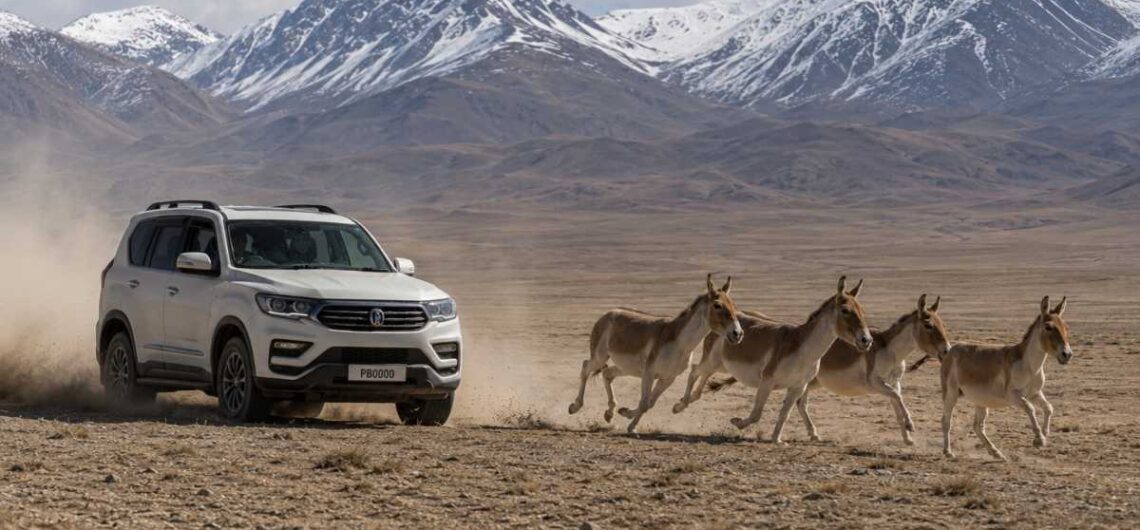
Ladakh is one of India's most spectacular travel destinations, known for its snow-capped mountains, crystal-clear lakes, high-altitude deserts, unique wildlife, and centuries-old Buddhist culture. However, its breathtaking beauty is also extremely fragile. Every visitor has a responsibility to help preserve this unique Himalayan ecosystem for future generations. But the recent cases of tourists engaged in illegal off-roading in different parts of Leh (Ladakh) including Nubra valley, Changthang region, Hanle, and Pangong has shown the world that how irresponsible many tourist are. Drive Responsibly in Ladakh While exploring Ladakh by car, SUV, motorcycle, or jeep, always stay on designated roads. Driving vehicles across open pastures, mountain slopes, sand dunes, riverbeds, wildlife habitats, or alpine meadows is illegal and causes irreversible damage to the fragile landscape. The Ladakh Administration has adopted a strict approach against illegal off-roading. Violators may face hefty fines, seizure of vehicles, prosecution under the Wildlife (Protection) Act, 1972, and in serious cases, imprisonment. Respect Wildlife and Natural Habitats Ladakh is home to rare and endangered wildlife, including the Snow Leopard, Tibetan Wild Ass (Kiang), Black-necked Crane, Tibetan Gazelle, Himalayan Marmot, Blue Sheep, and many migratory birds. Chasing wild animals with vehicles, disturbing their habitats, or attempting to feed them causes unnecessary stress and can threaten their survival. Always observe wildlife from a safe distance and allow animals to move freely in their natural environment. Protect Lakes and Rivers Iconic destinations such as Pangong Lake, Tso Moriri, Yaya Tso, and the Indus, Zanskar, and Shyok rivers are ecologically sensitive and culturally significant. Never drive vehicles into lakes, wetlands, streams, or riverbeds. Washing vehicles in lakes or rivers pollutes these pristine water bodies and is strictly prohibited. Help keep Ladakh's water sources clean by carrying back all waste and avoiding any activity that contaminates the environment. Respect Local Culture and
Ladakh is one of India’s most spectacular travel destinations, known for its snow-capped mountains, crystal-clear lakes, high-altitude deserts, unique wildlife, and centuries-old Buddhist culture. However, its breathtaking beauty is also extremely fragile. Every visitor has a responsibility to help preserve this unique Himalayan ecosystem for future generations. But the recent cases of tourists engaged in