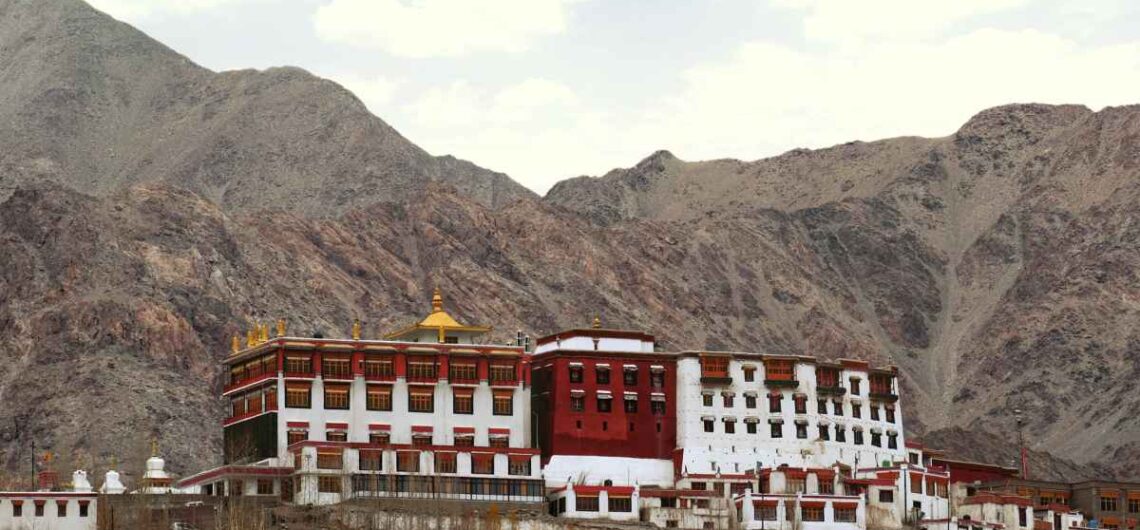
Phyang Monastery, also spelled Phiyang Monastery or Fiang Monastery, is one of the most beautiful and historically important Buddhist monasteries in the Leh district of Ladakh.
Situated about 16 km west of Leh town on the Leh–Kargil–Srinagar Highway, this majestic monastery belongs to the Drikung Kagyu sect of Tibetan Buddhism. Perched on a hilltop with stunning views of the surrounding mountains and valleys, Phyang is not just a religious center but also a significant cultural and tourist destination in Ladakh.
History of Phyang Monastery
Phyang Monastery (Phyang Gompa) was founded in 1515 by Chosje Damma Kunga during the reign of King Jamyang Namgyal. It is said that the site for the monastery was chosen because of a miraculous appearance of protective deities in the area. The monastery has been an important center for the Drikung Kagyu order in Ladakh for over 500 years, playing a major role in preserving Buddhist teachings, art, and culture.
The monastery is also known for its collection of ancient murals, thangkas (religious paintings), and statues of Buddha and various Bodhisattvas. One of its most prized possessions is a 900-year-old sacred image of Mahakala, the monastery’s protector deity.
Most Popular Ladakh Tours


6 Nights 7 Days Leh Ladakh Tour Package

Complete Ladakh with Hanle and Siachen (10 nights 11 days)

Kashmir and Ladakh Sightseeing Package - 10 Nights 11 Days

Leh Ladakh Tour Package with Hanle and Umling la pass (8 days)

Leh Ladakh Package for 9 Nights and 10 Days

Leh Ladakh Winter Tour Package for 5 Nights 6 Days

Leh Ladakh Luxury Tour Package (6 Nights 7 Days)


Leh Ladakh Winter Tour Package (6 Nights 7 Days)

Delhi - Manali - Leh Ladakh - Srinagar Jeep Safari (Road Trip)

Ladakh Package for 8 Nights and 9 Days


Manali-Shinkula pass- Gonbo Rangjon Tour Package from Delhi

Ladakh Package for 10 Nights and 11 Days
Delhi Manali Ladakh Package for 8 Nights and 9 Days

Srinagar Ladakh Manali Delhi Jeep Safari (10 Nights 11 Days)

Ladakh Package for 3 nights and 4 days


Delhi Manali Leh Srinagar Delhi Jeep Safari - 15 Days

Zanskar Valley with Leh Ladakh Tour Package for 11 Days

Zanskar Valley Tour Package from Delhi (7 Nights 8 Days)

Ladakh Package for 4 Nights and 5 Days with Nubra and Pangong

Ladakh Package for 4 Nights and 5 Days

Jammu - Srinagar -Ladakh -Manali -Delhi Jeep Safari

Ladakh Package for 7 Nights and 8 Days
Srinagar Leh Ladakh Manali Delhi Jeep Safari (11 Days)
Srinagar Ladakh Srinagar Package for 8 Nights 9 Days


Srinagar Leh Ladakh Srinagar Package for 8 Nights 9 Days

Delhi Manali Ladakh Manali Delhi Jeep Safari Package

Zanskar Valley Tour Package with Phugtal Monastery

Leh Ladakh Tour Package from Jammu for 8 nights 9 days

Srinagar - Ladakh - Srinagar Jeep Safari (Road Trip)

Leh Ladakh Tour Package from Manali (11 Nights 12 Days)

Leh Tour Package for 5 Nights 6 Days

6 nights 7 days Leh Ladakh Tour Package with Tso Moriri

Kargil Tour Package with Nubra and Pangong Lake

Zanskar Valley Tour Package from Manali (with Leh Ladakh)

Leh Manali Delhi Jeep Safari | Leh to Manali by Road

Nubra Valley and Pangong Lake Tour Package (5 Nights 6 Days)

Amritsar Manali Leh Bike Tour


Complete Leh Ladakh Tour Package from Srinagar

Srinagar - Ladakh Jeep Safari/Road trip - 8 Days

Pangong Lake Tour Package in Leh Ladakh


Manali Ladakh Manali Road Trip Package

Manali Leh Bike Tour (7 Days)

Manali Leh Ladakh Manali Bike Tour (12 Days)

Leh Srinagar Road Trip Package

5 Star Luxury Hotel Leh Ladakh Tour Package (5 Nights 6 Days)

2 nights 3 days leh ladakh tour package

Ladakh Tour Package with Mig La Pass (8 Nights 9 Days)

Delhi-Manali- Leh Ladakh -Zanskar- Delhi Tour Package by Road


Complete Zanskar Valley Tour Package from Leh (8 Nights 9 Days)

Budget Leh Ladakh Tour Package (5 Nights 6 Days)

4 Nights 5 Days Leh Ladakh Winter Tour Package

Ladakh with Kashmir Sightseeing Tour Package (11N 12D)

Leh Ladakh Photography Tour Package for 8 Nights 9 Days

7 Nights 8 Days Leh Ladakh Winter Tour Package
Architecture and Attractions
The monastery complex is a fine example of traditional Ladakhi and Tibetan architecture. The whitewashed walls, colorful prayer flags fluttering in the mountain breeze, and intricately decorated prayer halls create a peaceful and spiritual atmosphere.
Key attractions within Phyang Monastery include:
-
Dukhang (Assembly Hall) – A spacious prayer hall with rows of low wooden seats for monks, decorated with thangkas and murals depicting Buddhist deities and stories from Jataka tales.
-
Museum – Showcasing an impressive collection of weapons, ancient paintings, textiles, and artifacts from different periods of Ladakh’s history.
-
Chortens (Stupas) – Sacred structures surrounding the monastery that house relics and are adorned with colorful prayer flags.
Phyang Tsedup Festival
One of the highlights of Phyang Gompa is the Phyang Tsedup Festival, held every year in the 2nd month of the Tibetan lunar calendar (usually July or August). This two-day festival features vibrant mask dances (Cham dances) performed by monks to depict the victory of good over evil. Pilgrims and tourists from across Ladakh and beyond attend this colorful cultural event.
Best Time to Visit Phyang Monastery
-
Summer (May to September) – Ideal for sightseeing and attending festivals, with pleasant weather and clear skies. Check Best time to visit Leh Ladakh.
-
Winter (October to April) – The monastery remains open, but the region experiences sub-zero temperatures. Winter visits offer a serene and less crowded experience for photography and cultural exploration.

How to Reach Phyang Monastery
-
From Leh – The monastery is just 16 km from Leh town. It takes around 20–30 minutes by car or bike.
-
By Air – The nearest airport is Kushok Bakula Rimpochee Airport (Leh), which is well connected to Delhi, Srinagar, and other Indian cities.
-
By Road – Accessible year-round from Leh via the Leh–Kargil–Srinagar Highway.
-
By Public Transport – Local taxis and buses also operate on this route.
Nearby Tourist Attractions
While visiting Phyang Monastery, travelers can also explore:
-
Spituk Monastery – Another beautiful monastery near Leh.
-
Hall of Fame Museum – Showcasing Ladakh’s military history.
-
Magnetic Hill – The famous optical illusion spot on the Leh–Kargil road.
-
Gurudwara Pathar Sahib – A revered Sikh shrine.
-
Indus–Zanskar Confluence – A spectacular viewpoint where two rivers meet.
Popular Leh Ladakh Tour Packages
Delhi – Manali – Leh Ladakh – Srinagar Jeep Safari (Road Trip)
Ladakh Package for 4 Nights and 5 Days with Nubra and Pangong
Leh Ladakh Tour Package with Hanle and Umling la pass (8 days)
Here are some key details about Phyang Monastery:
- History and Affiliation: The monastery was founded in 1515 by Chosje Denma Kunga Drakpa, with the support of King Tashi Namgyal. It belongs to the Drikung Kagyu school of Tibetan Buddhism and is one of only two monasteries in Ladakh to follow this tradition.
- Architectural and Cultural Significance: The monastery’s name, “Gang Ngonpo,” means “blue mountain” in Ladakhi, referring to the hill behind it. The complex is perched on a hilltop and offers captivating views of the surrounding village and mountains. Inside, you can find numerous sacred shrines, ancient murals dating from the royal period, and a collection of old thangkas and statues.
- Museum: A major attraction is the monastery’s 900-year-old museum, which houses a rich collection of artifacts. This includes idols, thangkas, and a variety of weapons and firearms of Chinese, Tibetan, and Mongolian origin.
- Festivals: The monastery is a vibrant center for cultural events. The Gang-Sngon Tsedup Festival is held annually, featuring colorful masked dances by the monks (Cham dances) and traditional music. This festival usually takes place in July or August, depending on the Tibetan calendar.
Why Visit Phyang Monastery?
Phyang Monastery offers a perfect mix of spirituality, history, culture, and breathtaking scenery. Whether you are a pilgrim seeking peace, a photographer capturing Ladakh’s charm, or a culture enthusiast exploring monasteries, Phyang is a must-visit. The warm hospitality of the monks and the deep sense of tranquility here make it an unforgettable experience.
Plan your visit to Phyang Monastery with Discover Leh Ladakh – We offer curated cultural tours, monastery circuits, and customized travel packages to make your Ladakh trip truly memorable.

Comments