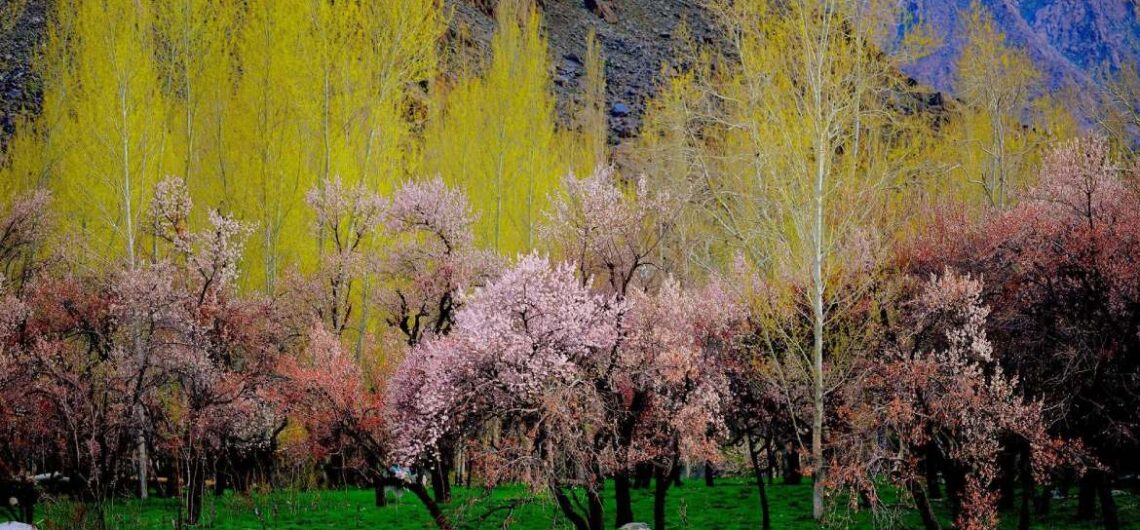
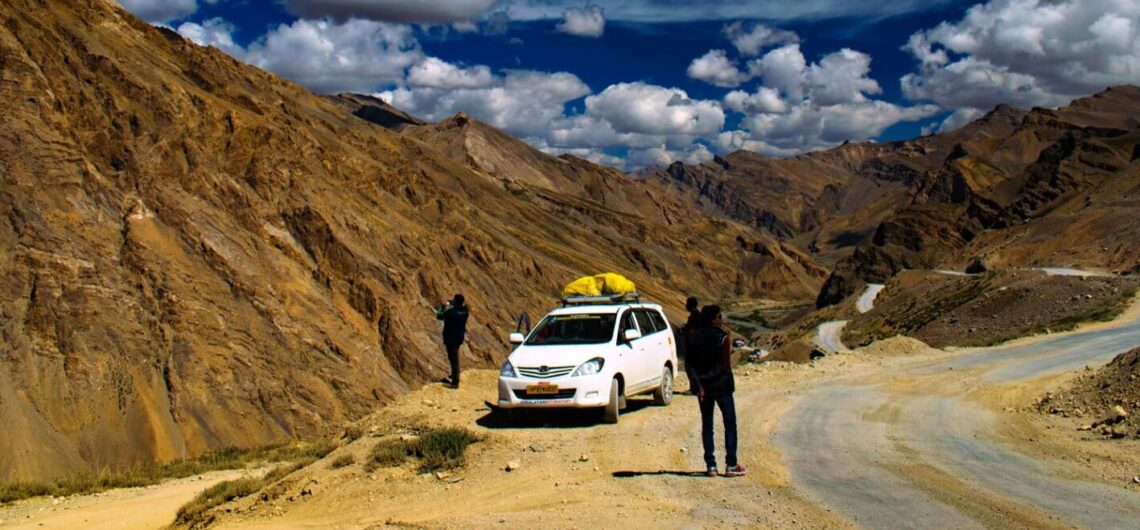
Planning to visit Leh Ladakh in April month? April marks the beginning of the spring season in Leh Ladakh as the region emerges from winter, revealing its breathtaking landscapes. From pristine lakes to ancient monasteries, Ladakh in April offers a mix of snow-capped beauty and the first signs of spring. This is the best time to visit Ladakh to enjoy apricot blossom. The day temperature becomes comfortable in April while night temperature can be little low with tourists wanting to wear heavy warm clothes. Temperature at Khardungla, Pangong lake, Hanle and TsoMoriri lake can be many notches below freezing point in night time and close to zero in day time. You can visit Ladakh in April but its better to visit in later half of the month if you do not love cold weather. Small kids and elderly can avoid travelling to Ladakh in April and can postpone their trip to May or coming months. Here's a comprehensive travel guide to help you plan your journey: 1. Weather: – Bone chilling cold of Ladakh ends with arrival of April when both day and night temperatures start to rise. The day temperature in Ladakh in April can be 8 degrees Celsius to 20 degrees Celsius while temperature in night time can be 5 degrees Celsius to minus 5 degrees Celsius. Early April can be much colder than later one. Temperature at high altitude sightseeing places like Pangong and Tsomoriri can be minus 2 degrees to minus 7 degrees Celsius in April, especially in early half of the month. Still, weather in the mountains remain unpredictable. 2. Accessibility: – Leh remains connected by air (flight) round the year. The landlocked Leh Ladakh is also connected by roads from Manali and Srinagar. Both roads remain closed in winter time. These roads, depending on
Planning to visit Leh Ladakh in April month? April marks the beginning of the spring season in Leh Ladakh as the region emerges from winter, revealing its breathtaking landscapes. From pristine lakes to ancient monasteries, Ladakh in April offers a mix of snow-capped beauty and the first signs of spring. This is the best time
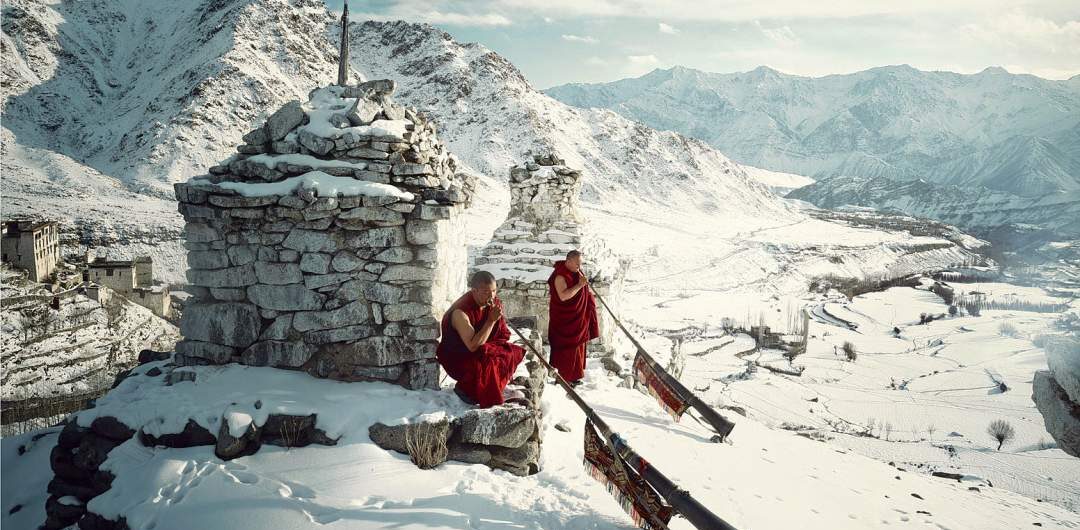
Visiting Leh Ladakh in March month may offer you an amazing experience until you are afraid of extreme cold weather of Ladakh. Generally, December to March is peak winter season in Ladakh. Even, you may experience freezing cold in November and April months. While some areas might still have snow, it's a great time to visit for those seeking a different perspective of this mesmerizing Himalayan region. However, tourists with small kids, elderly and those physically and medically unfit should avoid travelling to Leh Ladakh in March month. If you want to experience cold weather of Ladakh along with snow (or snowfall), March month can be a good choice for you. Here's a complete travel guide for Leh Ladakh in March: 1. Weather: - March marks the end of extreme winter, and temperatures start to rise a little, but it's still cold. Daytime temperatures can range from 5°C to 15°C (41°F to 59°F), while nights can be quite chilly with temperature dipping as low as minus 15 degrees C (-15°C) . 2. Accessibility: - Leh is usually accessible by road from Manali and Srinagar, but road conditions may vary due to melting snow and ice. Manali-Leh road generally opens in late April or May month but Srinagar-Leh road opens in April. Check with local authorities or travel agencies for the latest road conditions. 3. Acclimatization: - Leh is situated at high altitudes, and acclimatisation is crucial. Spend the first couple of days in Leh to acclimatise before venturing to higher altitudes. Remember, March month being cold, it can really be problematic for those suffering from breathing or heart related problems. 4. Places to Visit: - Some areas of Leh Ladakh in March may still have snow, enhancing the beauty of the landscape. Popular places to visit include: - Pangong Lake:
Visiting Leh Ladakh in March month may offer you an amazing experience until you are afraid of extreme cold weather of Ladakh. Generally, December to March is peak winter season in Ladakh. Even, you may experience freezing cold in November and April months. While some areas might still have snow, it’s a great time to
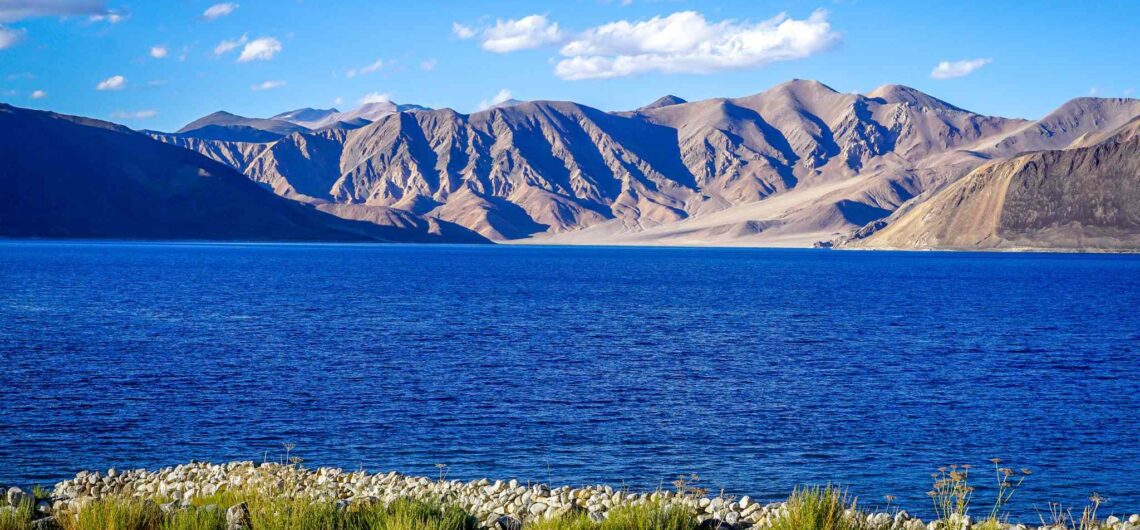
Choosing Ladakh over the Maldives offers a distinct shift in experience, providing a unique blend of adventure, spirituality, and awe-inspiring landscapes. Ladakh, nestled in the northern part of India, presents a stark contrast to the tropical paradise of the Maldives. If you love sea beaches, what about having a unique experience of enjoying beach at an altitude of 14,000-foot from sea level. Yes, its true. You can have a merry time at the shoreline of huge Pangong lake or Tso Moriri lake in Ladakh. In Ladakh, you find yourself surrounded by rugged mountains, high-altitude desert, high-altitude lakes, snow-capped peaks, world's highest roads, unique culture, and serene monasteries. The region is a haven for adventure enthusiasts, offering trekking opportunities amidst breathtaking scenery. From exploring ancient Buddhist monasteries like Thiksey, Alchi, Lamayuru, Diskit and Hemis to traversing the famous Pangong Lake, Ladakh's cultural richness and natural beauty are unparalleled. The climate in Ladakh, with its warm summers and crisp winters, adds a layer of diversity to your experience. The clear, high-altitude air brings a sense of tranquility and an opportunity for stargazing under the vast Himalayan skies. While the Maldives is renowned for its luxurious overwater bungalows and water-centric activities, Ladakh provides a different kind of luxury – the luxury of solitude, self-discovery, and a connection with nature. Choosing Ladakh over the Maldives is an invitation to embark on an adventure that not only stimulates the senses but also offers a profound cultural and spiritual journey amidst the majestic peaks of the Himalayas. Both Maldives and Ladakh offer unique experiences, but they are quite different in terms of climate, landscape, and activities. Here's a brief comparison to help you decide: Maldives Location: Maldives is a tropical paradise located in the Indian Ocean, known for its overwater bungalows, coral reefs, and clear blue
Choosing Ladakh over the Maldives offers a distinct shift in experience, providing a unique blend of adventure, spirituality, and awe-inspiring landscapes. Ladakh, nestled in the northern part of India, presents a stark contrast to the tropical paradise of the Maldives. If you love sea beaches, what about having a unique experience of enjoying beach at
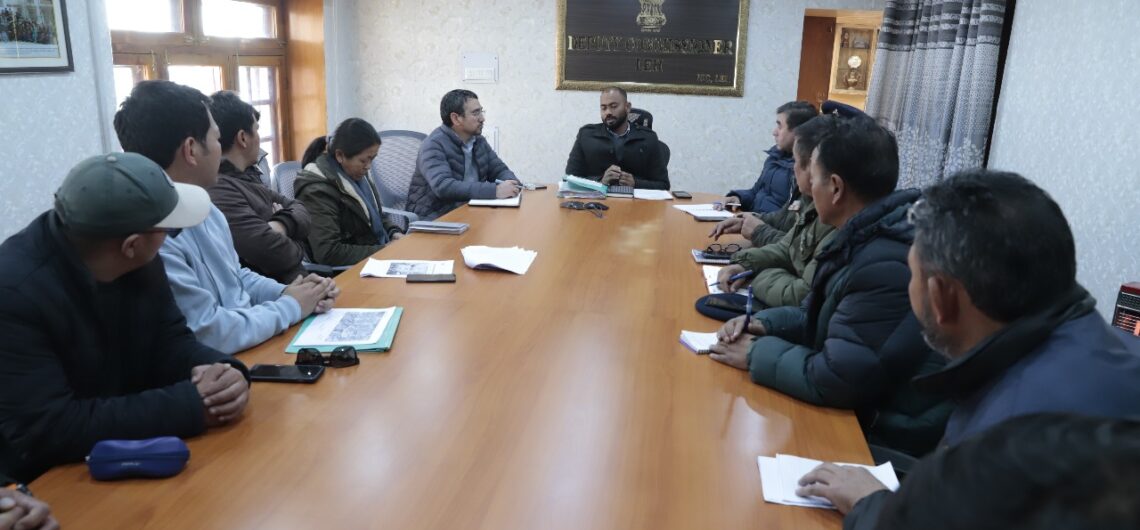
The Deputy Commissioner of Leh, Santosh Sukhadeve chaired a meeting to discuss the conduct of the Chadar Trek 2024. The meeting addressed concerns about the safety of tourists undertaking the trek, considering the current conditions of the Chadar route. During the session, Deputy Superintendent of Police, UT Disaster Response Force (UTDRF), Sonam Dorje, provided a detailed briefing on the present situation of the Chadar route. He highlighted that the ice formation on the trail is not stable, raising potential safety issues for those planning to embark on the Chadar Trek. Expressing genuine concern for the safety of tourists and the overall enthusiasm surrounding the Chadar Trek, DC Leh, Santosh Sukhadeve directed the UTDRF to collaborate with the All Ladakh Tour Operators Association (ALTOA) Leh to conduct a thorough review of the situation on January 11 or 12, with a primary focus on ensuring the safety of the Chadar Trek participants. In the event that the situation is deemed critical, Deputy Commissioner Sukhadeve made it clear that he would prohibit tourists from undertaking the Chadar Trek until conditions improve. With fluctuation in temperature and changing weather patterns, a thick layer of ice is missing from the surface of the Zanskar river. Sometimes, the chadar (ice on river surface) breaks at some places making it risky for tourists to walk on it. January and February are the ideal months for chadar trek. The Chadar trek in Leh provides employment to hundreds of local residents including porters and guides. The local people are worried for freezing of the thick ice as Leh administration has made it clear that chadar trek will be allowed only after ensuring safety of the tourists. The meeting was attended by Additional District Development Commissioner, Leh; Chief Planning Officer, Leh; Sr. Superintendent of Police, Leh; Superintendent of Police, UTDRF,
The Deputy Commissioner of Leh, Santosh Sukhadeve chaired a meeting to discuss the conduct of the Chadar Trek 2024. The meeting addressed concerns about the safety of tourists undertaking the trek, considering the current conditions of the Chadar route. During the session, Deputy Superintendent of Police, UT Disaster Response Force (UTDRF), Sonam Dorje, provided a
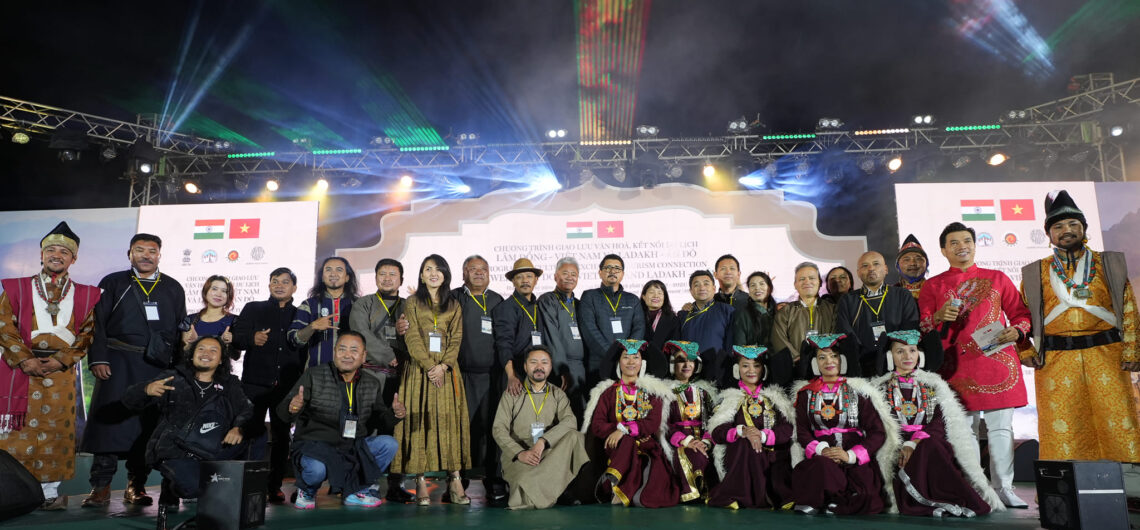
With an aim to promote, strengthen tourism and cultural ties, the first-ever cultural exchange and tourism introduction programme, an initiative of LAHDC Leh led by Chairman/CEC, Tashi Gyalson and Lam Dong province of Vietnam, titled ‘Ladakh Unveiled’, officially opened at Lam Vien Square, Da Lat City, Lam Dong, Vietnam on December 27 with a grand celebration. The first cultural exchange and tourism introduction program marks an important milestone, heralding opportunities for extensive cooperation between Lam Dong province – Vietnam and Ladakh region – India. The program is hosted by the Department of Culture, Sports and Tourism of Lam Dong, in coordination with Samten Hills Dalat spiritual cultural tourism area. Expressing jubilations at the successful conduct of the event, Chairman/ chief executive councillor (CEC), Tashi Gyalson shared that he was very proud to introduce his homeland Ladakh to the Vietnamese people. He added that India and Vietnam are strengthening bilateral cooperation in many fields from trade, business exchange, economic cooperation, cultural exchange and human connection. “As a representative of Ladakh, I consider it an honour and privilege to showcase the unique wonders of our homeland through this event. This new journey that we are starting today in the city of Da Lat of Vietnam will be remembered in the history of Ladakh, I thank the connection of Samten Hills Dalat and its team, sincere gratitude to the government of Dalat and special thanks to His Eminence Jorfel Rinpoche for enabling such an international level event”, Gyalson said. Accentuating the geographical and cultural marvel of Ladakh, CEC Gyalson urged every Vietnamese to become an ambassador for Ladakh, facilitating the exploration of its hidden treasures. He also appealed to the esteemed travel companies of Vietnam and the expert tourism stakeholders representing Leh Ladakh to forge a bond for stronger relationship between Vietnam and
With an aim to promote, strengthen tourism and cultural ties, the first-ever cultural exchange and tourism introduction programme, an initiative of LAHDC Leh led by Chairman/CEC, Tashi Gyalson and Lam Dong province of Vietnam, titled ‘Ladakh Unveiled’, officially opened at Lam Vien Square, Da Lat City, Lam Dong, Vietnam on December 27 with a grand
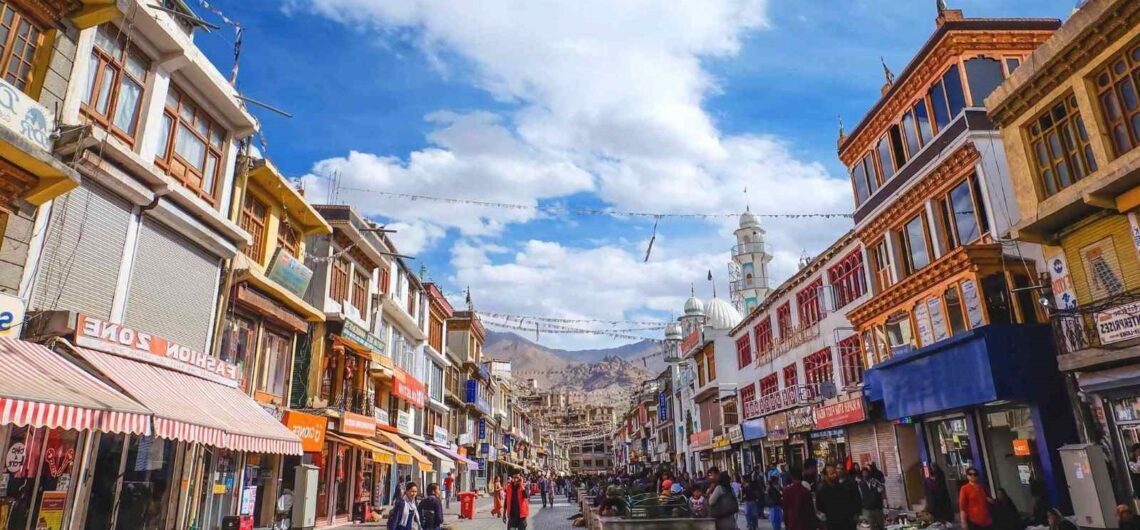
Ladakh, located in the northernmost part of India, is a beautiful region known for its breathtaking landscapes, ancient monasteries, and vibrant culture. If you're planning a trip to Ladakh and looking for a shopping guide, here are some recommendations for unique items to buy and where to find them: Pashmina Shawls: Ladakh is renowned for its high-quality pashmina wool products. Look for authentic pashmina shawls, stoles, and scarves made from fine cashmere wool. Visit markets in Leh, such as the Main Bazaar and Tibetan Market, for a wide selection of pashmina products. Tibetan Handicrafts: Ladakh has a strong Tibetan influence, and you'll find a variety of beautiful handicrafts. Look for intricately designed Tibetan thangkas (religious paintings), prayer wheels, Buddhist statues, and Tibetan jewelry. Explore the Tibetan Market in Leh for a range of traditional crafts. Woolen Products: Given Ladakh's cold climate, woolen products are popular. Look for handwoven carpets, rugs, and blankets made from locally sourced wool. You can find these items at markets in Leh and other towns in Ladakh. Apricot Products: Your shopping in Ladakh is incomplete without buying apricot products. Ladakh is known for its delicious apricots, and you'll find a range of apricot-based products to take home. Look for dried apricots, apricot jams, and apricot oils. The Leh Market is a good place to find these products. Handmade Jewellery: Ladakhi jewellery is unique and often crafted with silver and semi-precious stones. Look for silver earrings, necklaces, and bracelets adorned with turquoise, coral, or lapis lazuli. Visit the Leh Market and local artisan shops for a selection of handmade jewelry. Traditional Ladakhi Attire: If you're interested in traditional clothing, look for a 'Goncha,' a thick, knee-length robe made from wool or silk. You can also find traditional Ladakhi hats called 'Peraks' and 'Styols.' Visit the local markets
Ladakh, located in the northernmost part of India, is a beautiful region known for its breathtaking landscapes, ancient monasteries, and vibrant culture. If you’re planning a trip to Ladakh and looking for a shopping guide, here are some recommendations for unique items to buy and where to find them: Pashmina Shawls: Ladakh is renowned for
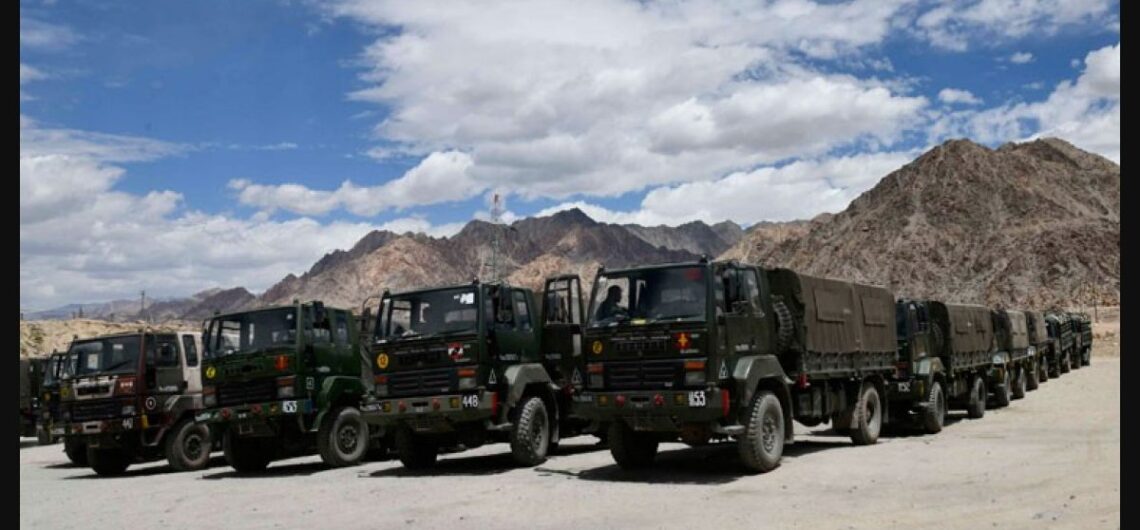
Tsogtsalu or Tsogtsalo or Tsolu is a camping ground and a pasture in the Chang Chenmo valley of Leh district in Unition Territory of Ladakh, India. Tsogtsalu is a ground and a high-altitude pasture near the India-China border, north of Pangong Lake. Indian Army has established its camp here as the area is strategically very sensitive. The ground is located at the confluence of Chang Chenmo river and Rimdi Chu river, which are tributary of Shyok River which later flows into Nubra valley. Tsogtsalu served as halting point for the travellers to Central Asia via the Chang Chenmo Route which used to pass through Aksai Chin during British rule. A border outpost was established here by the team of Captain Karam Singh from border police after the Independence of India. The area is rugged and remote and can be reached by road from Pangong lake. And Indian Army post is established here. As of May 2023, the Government of India has planned to open Tsogtsalu for Indian tourists. Marsimik La and Chang Chenmo are also among the list of restricted zones which will be opened for tourists. As government is planning to open all the border areas of the country for tourists in phasewise manner, Hot Springs and Karam Singh Memorial in Ladakh many also be opened in near future. Has Tsogtsalu opened for tourists? Although government has planned to open it for tourists in future, an official notification in this regard is awaited. Tourists will be allowed only after Ladakh administration issues notification. Is there hotel/camp at Tsogtsalu? No. As there is no accommodation facility in the area, tourists will have to return back to Pangong/Lukung for night stay. Do we need permit to visit this restricted zone? No special permit is needed to visit Tsogtsalu. Tourists, who
Tsogtsalu or Tsogtsalo or Tsolu is a camping ground and a pasture in the Chang Chenmo valley of Leh district in Unition Territory of Ladakh, India. Tsogtsalu is a ground and a high-altitude pasture near the India-China border, north of Pangong Lake. Indian Army has established its camp here as the area is strategically very
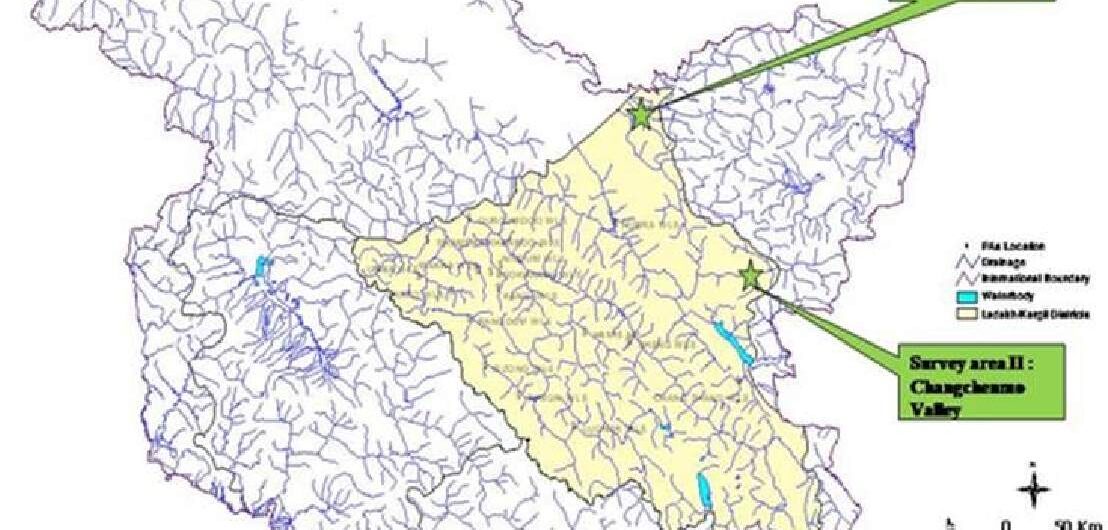
Chang Chenmo or Changchenmo, which means “great northern” in Tibetan language, lies between Karakoram range and Changchenmo range in Leh district of Union Territory of Ladakh, India. The Chang Chenmo region is strategically very important as it lies close to India-China border near southern edge of the Aksai Chin. Chang Chenmo sector is near the patrolling point of Indian Army. The area is between Chang Chenmo river and 21,444 ft high Chang Chenmo Kangri peak. The Chang Chenmo Kangri is near Tsogstsalu/Tsogstsalo. Chang Chenmo river, a tributary of Shyok river, is extremely beautiful due to its blue waters and small lake like formation. Its source is the extreme north of the Ladakh at China controlled Kashmir (PoK). In order to facilitate trade between the Indian subcontinent and Tarim Basin, the British attempted to promote a caravan route via the Chang Chenmo Valley as an alternative to the difficult and tariffed Karakoram Pass in the late 1800s. On the request of British, Maharaja Ranbir Singh made improvements to the trails and facilities of the campsites in Chang Chenmo Valley. Besides being longer and higher elevation than the traditional route, this route goes through the desolate desert of Aksai Chin. By 1890s, traders mostly given up on this route. At the time, Changchenmo valley was also a popular hunting spot for British officers on leave. The river is in the disputed territory between China and India since 1950s. As such, it hosts numerous border outposts from both sides, such as Kongka Pass, Hot Springs, and Tsogstsalu. The region was also the site of numerous tensions in the past, such as the 1959 Kongka Pass incident. Chang Chenmo valley may open for tourists in near future as Ministry of Defence has decided to open some of the restricted zones of Ladakh for tourists. According to news reports, Chang Chenmo, Tsogstsalu and Marsimik La pass
Chang Chenmo or Changchenmo, which means “great northern” in Tibetan language, lies between Karakoram range and Changchenmo range in Leh district of Union Territory of Ladakh, India. The Chang Chenmo region is strategically very important as it lies close to India-China border near southern edge of the Aksai Chin. Chang Chenmo sector is near the
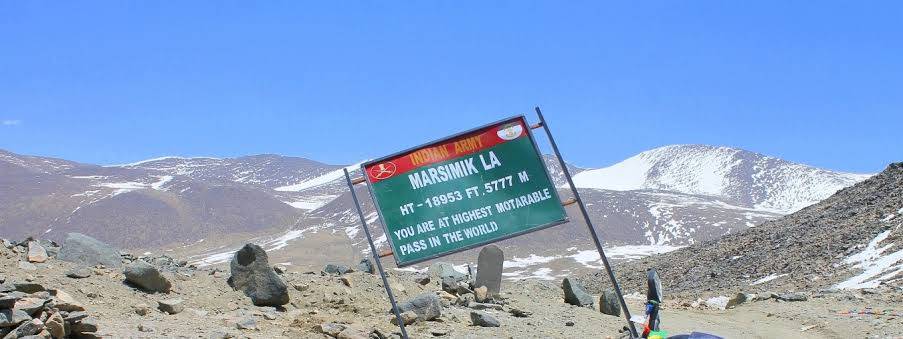
Marsimik La is a high mountain pass located north of Pangong lake in the Leh district in Ladakh region of India. It is one of the highest motorable passes in the world, with an elevation of approximately 5,582 meters (18,314 feet) above sea level. The pass is situated on the road that connects Leh, the capital of Ladakh, with the Nubra Valley. Marsimik La is also known as Marsemik La or Lankar la or Lankar pass. It is known for its challenging terrain and extreme weather conditions. It is often covered in snow and experiences harsh winds, making it a difficult route to navigate. Due to its high elevation, travellers often experience symptoms of altitude sickness, and it is advised to acclimatise properly before attempting to cross the pass. The pass offers breathtaking views of the surrounding Himalayan mountains and is a popular destination for adventure enthusiasts and nature lovers. The road leading to Marsimik La is scenic but rugged, and it requires a sturdy vehicle and experienced drivers to traverse the challenging terrain. Marsimik la pass was closed for tourists due to its strategic location and dangerous road. Very few tourists, after seeking permission from the Indian Army, used to undertake herculean task of reaching the top of the pass especially to set records of conquering the highest motorable mountain pass. Now, as on May 2023, Ministry of Defence was planning to open the Marsmik la, Chang Chenmo and Tsogtsalu for general tourists. The road condition has been improved and tourist facilities are being developed by the Army. Is Marsimik La open for tourists? Although government has planned to open it for tourists in future, an official notification in this regard is awaited. Tourists will be allowed only after Ladakh administration issues notification. How to reach Marsimik La? Marsimik
Marsimik La is a high mountain pass located north of Pangong lake in the Leh district in Ladakh region of India. It is one of the highest motorable passes in the world, with an elevation of approximately 5,582 meters (18,314 feet) above sea level. The pass is situated on the road that connects Leh, the
Traveling to Ladakh by road is an exciting and adventurous journey that offers breathtaking landscapes and a chance to experience the unique culture of the region. Here's a travel guide to help you plan your road trip to Ladakh: Best Time to Visit: The best time to visit Ladakh by road is from May to September when the weather is pleasant and the roads are open. However, note that the region experiences extreme temperatures, so pack accordingly. The road, however, sometimes remain open in October as well. Route Options: There are two primary routes to reach Ladakh by road: a. Manali-Leh Highway: This route starts from Manali in Himachal Pradesh and goes through the Atal tunnel, Keylong, and the Baralacha Pass. It is around 428 kilometers long and offers stunning views of the Himalayas. b. Srinagar-Leh Highway: This route begins in Srinagar, Jammu and Kashmir, and passes through Sonamarg, Drass, and the Zoji La Pass. It is approximately 434 kilometers long and showcases the scenic beauty of both Kashmir Valley and Ladakh. Permits: To travel to Ladakh, both Indian and foreign nationals do not require permits. However, permits are required to visit the sightseeing places of Ladakh including Pangong Tso, Tso Moriri, Khardungla pass, Nubra Valley, Dah Hanu Batalik region and Turtuk etc. You can obtain the Inner Line Permit (ILP) from the District Magistrate's Office or through online portals. Foreign nationals need to obtain the Protected Area Permit (PAP) or Restricted Area Permit (RAP) from the Leh District Magistrate's Office. Acclimatization: Ladakh is located at high altitudes, so it's essential to acclimatize to avoid altitude sickness. Take a day or two to rest in Leh before exploring further. Stay hydrated, avoid strenuous activities initially, and consider taking medication for altitude sickness after consulting with a doctor. Accommodation: There are
Traveling to Ladakh by road is an exciting and adventurous journey that offers breathtaking landscapes and a chance to experience the unique culture of the region. Here’s a travel guide to help you plan your road trip to Ladakh: Best Time to Visit: The best time to visit Ladakh by road is from May to