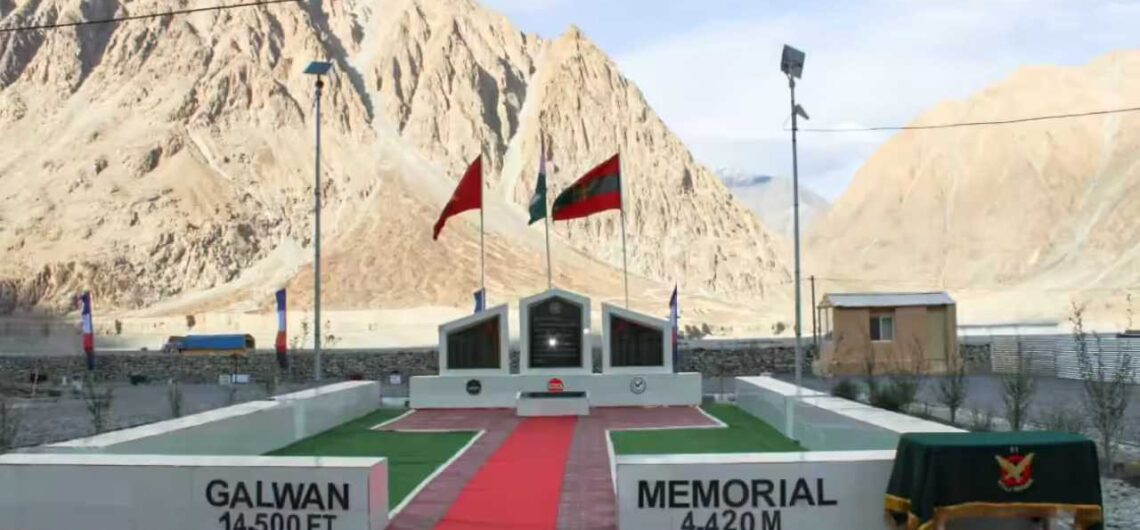
Ladakh, the “Land of High Passes,” is a land of stunning landscapes, snow-capped peaks, ancient monasteries, and serene high-altitude valleys. Among its many breathtaking regions lies Galwan Valley, a place of immense natural beauty as well as historical and geopolitical significance. While it has been in the news in recent years due to India-China border tensions, Galwan Valley is much more than a conflict zone—it is an important geographical landmark with rich history, culture, and unparalleled Himalayan scenery. In this article, we will explore the location, history, geographical features, significance, travel information, and FAQs about Galwan Valley in Ladakh, making it a comprehensive guide for researchers, travelers, and enthusiasts of Himalayan regions. Location of Galwan Valley Galwan Valley is situated in the Union Territory of Ladakh, in the eastern part of the region, close to the Line of Actual Control (LAC) with China. The valley lies at an altitude of over 14,000 feet (4,300 meters) above sea level and is formed by the Galwan River, which flows westwards into the Shyok River near Shyok village in Ladakh. It is located between two other important regions: Aksai Chin (occupied by China but claimed by India) and the Shyok River valley in Ladakh. The area is remote, rugged, and sparsely populated, with military significance due to its proximity to the border. The main road to Galwan valley starts from Shyok village (on Pangong-Durbuk-Nubra valley road) and connects Daulat Beg Oldi, about 235km from Shyok. Galwan is about 105km from Shyok. Main Attractions in Galwan Valley The Galwan Valley is full of natural beauty with beautiful river, water streams, snow-capped peaks, dramatic valleys and landscapes, wildlife and much more. However, Tarsing Karmo Monastery, an ancient gompa built under a huge rock, Galwan War Memorial, ancient silk route and ruins of mud house that housed
Ladakh, the “Land of High Passes,” is a land of stunning landscapes, snow-capped peaks, ancient monasteries, and serene high-altitude valleys. Among its many breathtaking regions lies Galwan Valley, a place of immense natural beauty as well as historical and geopolitical significance. While it has been in the news in recent years due to India-China border
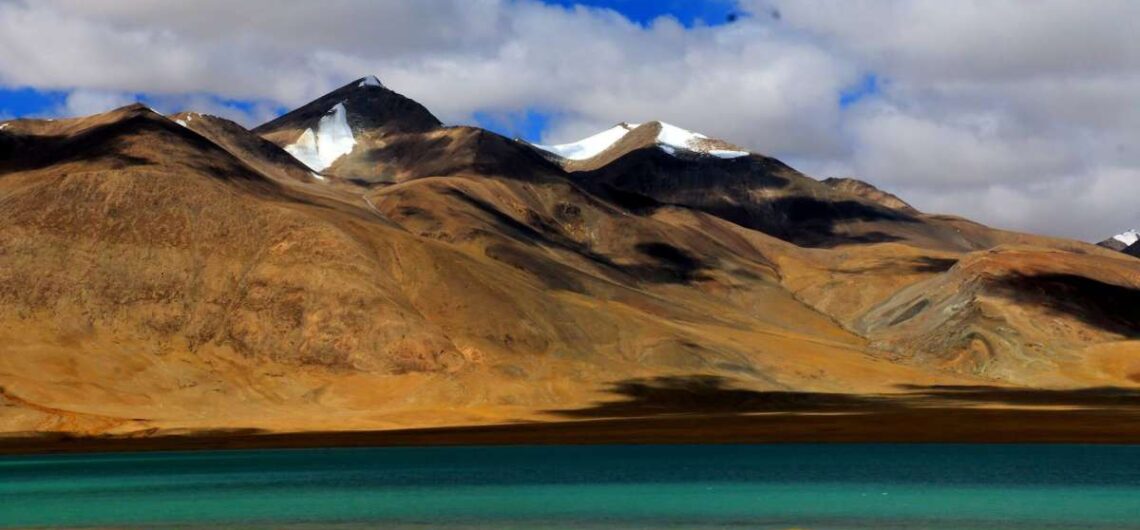
Ladakh, often called the “Land of High Passes,” is dotted with mesmerizing high-altitude lakes. While most tourists know of Pangong Tso and Tso Moriri, the region hides several unexplored gems that remain far from the hustle of mass tourism. One such hidden treasure is Ryul Tso Lake, also known as Kyun Tso Lake, tucked deep in the Changthang plateau near Hanle in Ladakh. The lake lies on the newly built Hanle - Chumar (Chumur) road near Salsa La pass. The high altitude Ryul Tso lake at altitude of 16,430 ft (5,010 meters) is next to Chilling Tso lake and both the lakes are known as twin lakes. Remote, pristine, and breathtakingly beautiful, Ryul Tso (Kyun Tso) is one of the least-visited lakes in Ladakh. Its blue waters, surrounded by barren mountains and wide-open landscapes, provide an unforgettable experience for travelers seeking peace, photography opportunities, and the thrill of exploring Ladakh’s untouched wilderness. In this guide, let’s explore everything you need to know about Ryul Tso Lake (Kyun Tso)—its location, best time to visit, how to reach, permits, nearby attractions, and essential travel tips. Location of Ryul Tso (Kyun Tso) Lake Ryul Tso Lake, also called Kyun Tso, lies in the southeastern part of Ladakh in the remote Changthang region, close to the Indo–China border along the Hanle-Chumar road. The lake sits at an altitude of around 5,010 meters (16,430 ft) above sea level, making it one of the highest lakes in Ladakh. It is situated near Hanle, which is famous for its observatory, and not too far from other high-altitude lakes like Chilling Tso, Tso Moriri, and Tso Kar. Ryul Tso is often visited along with Kyedul Tso (another small lake nearby), as the two are considered twin lakes by locals and explorers. Why Visit Ryul Tso (Kyun Tso) Lake?
Ladakh, often called the “Land of High Passes,” is dotted with mesmerizing high-altitude lakes. While most tourists know of Pangong Tso and Tso Moriri, the region hides several unexplored gems that remain far from the hustle of mass tourism. One such hidden treasure is Ryul Tso Lake, also known as Kyun Tso Lake, tucked deep
When we talk about Ladakh, the first images that come to mind are of majestic monasteries, high mountain passes, and the famous lakes like Pangong Tso and Tso Moriri. But Ladakh is home to several lesser-known high-altitude lakes that remain untouched by mass tourism, and one such breathtaking destination is Chilling Tso Lake at altitude of 16,430ft from sea level. Nestled in the remote Changthang region of southeastern Ladakh, Chilling Tso (also spelled Tsokar Chilling) is a small but stunningly beautiful lake that rewards travelers with solitude, pristine landscapes, and surreal views. This beautiful lake along with Ryul Tso lake (or Kyun Tso lake) is now easily accessible by newly built Hanle-Chumar-Tsomoriri road. Chilling Tso is about 4 sqkm lake and is higher than Pangong and Tso Moriri lakes. The lake mostly remains frozen from November to April due to altitude and extreme cold in the area. For those who love exploring offbeat Ladakh, away from the crowded tourist circuits, Chilling Tso is a dream come true. This article brings you a detailed travel guide to Chilling Tso Lake, Ladakh—covering its location, history, travel routes, best time to visit, permits, nearby attractions, and essential travel tips. Location of Chilling Tso Lake Chilling Tso is located in the Changthang plateau, close to the Indo–China border, at an altitude of about 5,010 meters (16,430 ft) above sea level. It lies in the southeastern corner of Ladakh, between Nyoma and Hanle, two of the most famous remote settlements in the region. As Border Roads Organisation (BRO) has built Hanle-Chumar road via Salsa La pass that further connects to Tso Moriri, this road also connects the twin lakes of Chilling Tso Lake and Ryul Tso Lake (Kyun Tso Lake). This road is now open for tourists. The lake is relatively small compared to Pangong or
When we talk about Ladakh, the first images that come to mind are of majestic monasteries, high mountain passes, and the famous lakes like Pangong Tso and Tso Moriri. But Ladakh is home to several lesser-known high-altitude lakes that remain untouched by mass tourism, and one such breathtaking destination is Chilling Tso Lake at altitude
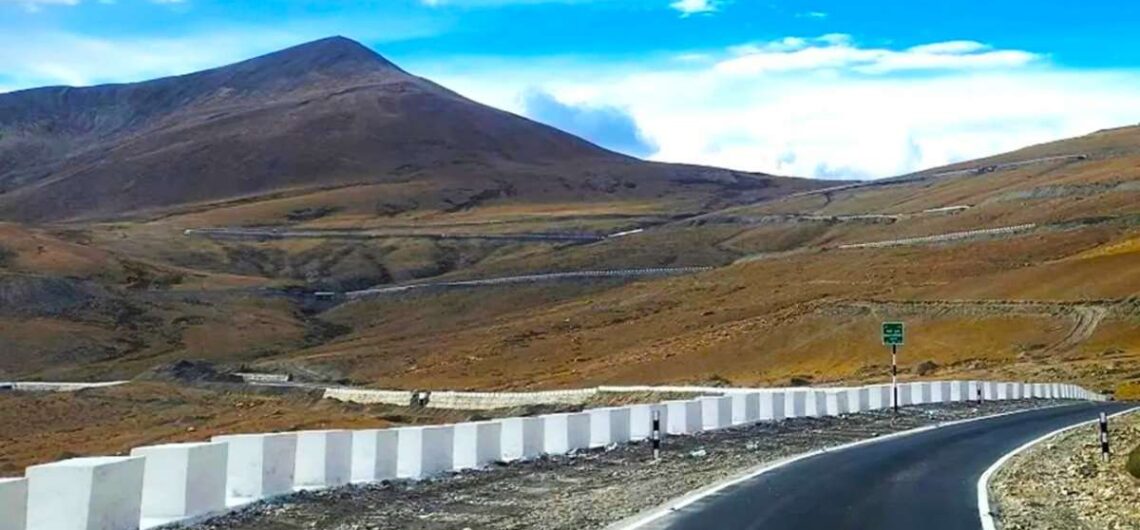
The 91-km-long Hanle-Chumar road has been thrown open for tourists. Chumar (Chumur), a nomadic village and a strategic point for Indian Army, is very close to India-China border. Tourists can now travel from Hanle to Tso Moriri lake via Chumar and Salsa La pass. This new road journey through the beautiful landscapes will become a new tourist attraction. The Border Roads Organisation (BRO) has completed the construction of this road and the road is now black topped. The road starting from Hanle passes through Salsa La pass, Ryul Tso lake, Chilling Tso Lake, and Chumar (Chumur) before reaching Tso Moriri lake. According to Indian Army, "A 91 km road connecting Hanle to the border village of Chumar (Chumur) constructed by the Border Roads Organisation has been opened for the public in Ladakh. The route traverses extreme high altitudes from 14,500 to 17,200 feet, including the high Salsa La Pass." It further states that the road while providing strategic connectivity for the Armed Forces along the borders, will also facilitate local connectivity and tourism in the region by connecting attractions including Hanle Observatory, Kyun Tso Lake, Chilling Tso Lake and onward to Tso Moriri. "The road stands as a significant achievement in strategic infrastructure development, enhancing operational readiness, promoting tourism and boosting socio-economic growth in Ladakh’s remote areas." HANLE–CHUMAR ROAD OPENS FOR THE PUBLIC A 91 km road connecting Hanle to the border village of Chumar constructed by #ProjectHimank of the Border Roads Organisation, #BRO has been opened for the Public in Ladakh. The route traverses extreme high altitudes from 14,500 to 17,200… pic.twitter.com/C9uNfLAiBg — ADG PI - INDIAN ARMY (@adgpi) September 23, 2025 Alternative connectivity between Hanle and Tso Moriri This road has provided alternate connectivity to both Tso Moriri lake and Hanle. Now people, including tourists can travel from
The 91-km-long Hanle-Chumar road has been thrown open for tourists. Chumar (Chumur), a nomadic village and a strategic point for Indian Army, is very close to India-China border. Tourists can now travel from Hanle to Tso Moriri lake via Chumar and Salsa La pass. This new road journey through the beautiful landscapes will become a
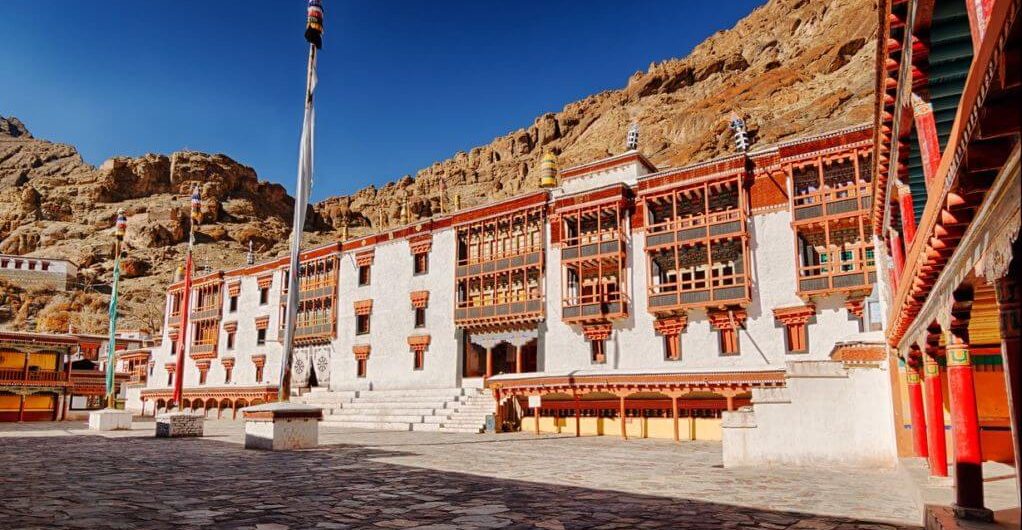
Hemis monastery (gompa) is a Buddhist monastery of Drukpa lineage of Buddhism and is located in Hemis village of Ladakh, about 45 km from Leh. The monastery was built before 11th century but it was re-established in 1672 by the king of Ladakh Sengge Namgyal. An annual Hemis Festival, in honour of Padmasambhava, is observed here in the month of June. Naropa, pupil of yogi Tilopa and teacher of translator Marpa is connected with this monastery. A translation was made by A Grunwedel of Naropa’s biography which was found in Hemis monastery. According to a legend, and Russian journalist Nicolas Notovitch (1894), the Jesus had travelled to the Hemis monastery during his "Lost Years", but this is debatable. Large numbers of tourists visit Hemis every year. The Hemis Festival is dedicated to Lord Padmasambhava venerated as the dance performance at Hemis Monastery representing the reincarnation of Buddha. He is believed to have been born on the 10th day of the fifth month of the Monkey year as predicted by the Buddha Shakyamuni. It is also believed that his life mission was, and remains, to improve the spiritual condition of all living beings. And so on this day, which comes once in a cycle of 12 years, Hemis observes a major extravaganza in his memory. Hemis monastery has a large library that houses ancient religious texts, few of them in unknown languages. Some evidence suggests that the monastery existed even before 11 th century. Naropa is considered the founding father of the Kagyu-lineage of the Himalayan esoteric Buddhism. Hence Hemis is the main seat of the Kagyu lineage of Buddhism. Be it Indian or Foreigner tourists, all throng the Hemis Monastery during their Ladakh visit. Some plans their dedicated visit to Hemis gompa along with Thiksey monastery, but most of the tourists visit
Hemis monastery (gompa) is a Buddhist monastery of Drukpa lineage of Buddhism and is located in Hemis village of Ladakh, about 45 km from Leh. The monastery was built before 11th century but it was re-established in 1672 by the king of Ladakh Sengge Namgyal. An annual Hemis Festival, in honour of Padmasambhava, is observed
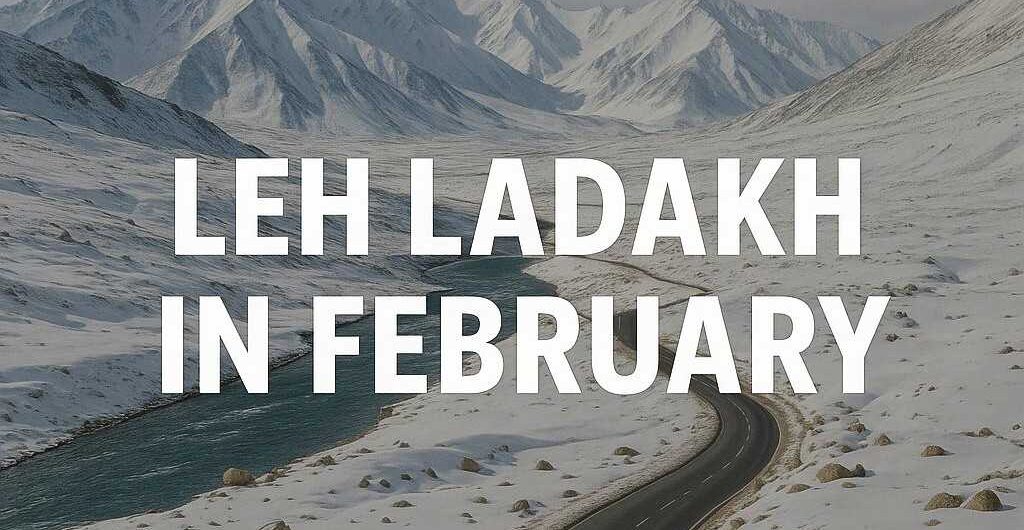
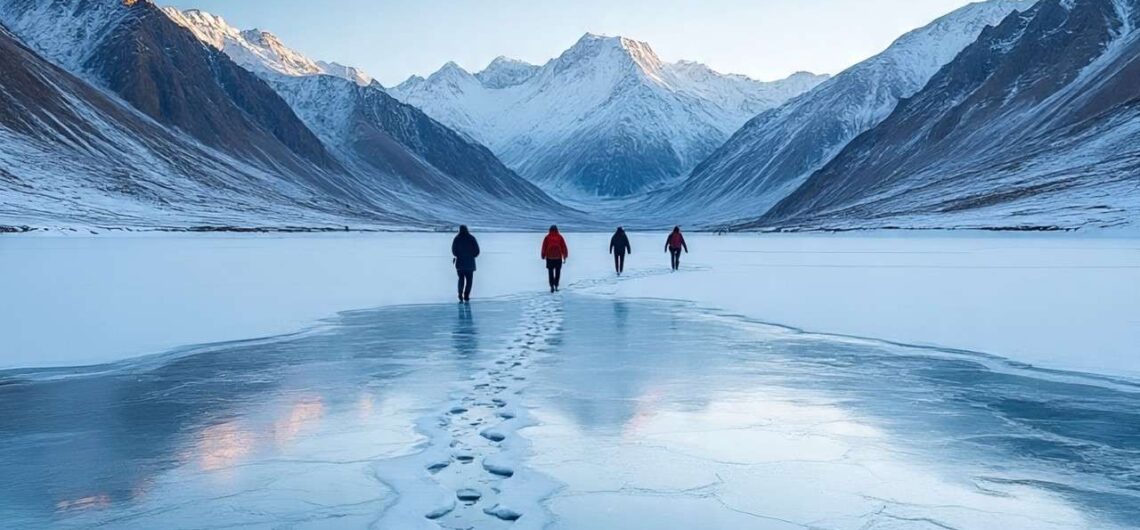
Visiting Leh Ladakh in February is one of the most unique and unforgettable experiences for adventure seekers, photographers, and nature lovers. This is the peak winter month in Ladakh, when the entire region transforms into a snow-covered wonderland. While temperatures drop drastically, the raw beauty of the frozen lakes, snow-capped mountains, and pristine valleys attracts those who want to witness Ladakh in its purest form. At Discover Leh Ladakh, we specialize in arranging safe and memorable winter tour packages for February. From booking cozy heated hotels to arranging vehicles equipped with anti-skid tyres and snow chains, we ensure your journey is comfortable and secure. Weather in Leh Ladakh in February February is the coldest month of the year in Ladakh. Both day and night temperatures remain below freezing point. Daytime temperature: Around –5°C (sometimes colder). Night temperature: Between –15°C and –25°C, and in some cases, even lower. The entire landscape remains covered with a thick white blanket of snow, creating postcard-perfect views. All natural water sources, including streams and high-altitude lakes, remain frozen. This extreme climate makes February a true test of endurance, but also the most rewarding time to explore Ladakh’s winter charm. How to Reach Leh Ladakh in February Traveling to Ladakh in February requires careful planning because the region is cut off by road. By Road: Leh–Manali Highway → Closed due to heavy snow (from November to May). Leh–Srinagar Highway → Closed in Winter season. By Air: The only way to reach Ladakh in February is by air. Kushok Bakula Rimpochee Airport (Leh) has regular flights from Delhi, Srinagar, and Jammu. Connecting flights are available from Mumbai, Bangalore, Kolkata, and other cities. ✈️ Tip: Weather disruptions are common in February. Always keep at least one buffer day in your itinerary to handle flight delays or cancellations. Internal
Visiting Leh Ladakh in February is one of the most unique and unforgettable experiences for adventure seekers, photographers, and nature lovers. This is the peak winter month in Ladakh, when the entire region transforms into a snow-covered wonderland. While temperatures drop drastically, the raw beauty of the frozen lakes, snow-capped mountains, and pristine valleys attracts
If you are planning for a winter trip to Leh Ladakh, we shall help you plan the tour package with cozy warm hotels ranging from economy to luxury, safe taxi, and safety while travelling the winter wonderland. You can book directly from us or just get a sneak peek of Ladakh in winter which will help you in preparation for your trip. If you dream of snow-clad mountains, frozen lakes, hanging icicles, and thrilling winter adventures, then Ladakh in winter is the perfect destination for you! Unlike any other place in the world, Ladakh transforms into a surreal icy wonderland from November to March, offering travelers a unique and unforgettable winter experience. With better roads, reliable vehicles, and cozy heated hotels, winter tourism in Ladakh has become safe, comfortable, and increasingly popular. Whether you want to walk on the frozen Pangong Lake, witness the Chadar Trek (frozen Zanskar River), or simply enjoy the serene beauty of snow-covered monasteries, Ladakh in winter is an extraordinary escape. Here is a guide to your Leh Ladakh Winter Tour Package preparation. Popular Winter Tour Packages for Leh Ladakh https://discoverlehladakh.in/winter-leh-ladakh-tour-package-4-days.htm https://discoverlehladakh.in/4-nights-5-days-leh-ladakh-winter-tour-package.htm https://discoverlehladakh.in/leh-ladakh-winter-tour-package-for-5-nights-6-days.htm https://discoverlehladakh.in/leh-ladakh-winter-tour-package-7-days.htm https://discoverlehladakh.in/7-nights-8-days-leh-ladakh-winter-tour-package.htm Why Visit Leh Ladakh in Winter? ❄️ 1. A Snowy Wonderland Like No Other Frozen Pangong Lake & Zanskar River (Chadar Trek) – Walk on ice! Snow-covered valleys & highways – Perfect for photography. Hanging icicles & frozen waterfalls – A surreal winter spectacle. 🏨 2. Cozy Stays in Heated Luxury Hotels Many premium hotels now remain open in peak winter with central heating & warm water. Grand Dragon Leh, The Abduz, Stone Hedge, Tsokar Retreat, The Pal, Lchang Nang, Pangong Nest Resorts, and more ensure comfort. 🚗 3. Improved Winter Connectivity Flights to Leh operate year-round (though delays may occur during snowfall). 4x4 vehicles with snow chains make road trips possible. Khardung La & Chang La passes remain open unless blocked by heavy snowfall. 🎉 4. Unique Winter
If you are planning for a winter trip to Leh Ladakh, we shall help you plan the tour package with cozy warm hotels ranging from economy to luxury, safe taxi, and safety while travelling the winter wonderland. You can book directly from us or just get a sneak peek of Ladakh in winter which will
Suru Valley: When we think of Ladakh, the first images that come to mind are of rugged mountains, crystal-clear lakes like Pangong and Tso Moriri, or high passes such as Khardung La. However, tucked away in the Kargil district lies one of Ladakh’s most scenic yet lesser-explored regions – Suru Valley. Known for its breathtaking landscapes, fertile fields, snow-capped peaks, and rich cultural heritage, Suru Valley is truly a hidden gem waiting to be discovered. In this detailed travel guide, we will take you through everything you need to know about Suru Valley – its location, best time to visit, how to reach, major attractions, things to do, where to stay, and travel tips. 📍 Where is Suru Valley Located? Suru Valley lies in the Kargil district of Ladakh in the union territory of India. It stretches along the Suru River, a tributary of the mighty Indus, and extends from Kargil town towards the Zanskar region. The valley is about 140 km long, starting from Kargil and reaching up to Pensi La Pass, which connects Suru Valley with Zanskar Valley. The valley is blessed with fertile soil, thanks to the river-fed irrigation system, making it one of the rare green belts in Ladakh. Fields of barley, wheat, peas, and apricots add splashes of color to the otherwise stark Himalayan landscape. 🌄 Why Visit Suru Valley? Unlike the more touristy regions of Leh and Nubra, Suru Valley offers peace, solitude, and raw Himalayan beauty. Travelers who venture into this valley are rewarded with: Majestic views of Nun and Kun peaks, the highest mountains in the Indian Himalayas (7,135 m and 7,077 m respectively). Traditional Ladakhi and Balti villages with warm hospitality. Verdant fields and wildflower meadows contrasting against barren mountains. Glacial rivers and trekking routes into Zanskar and beyond. An opportunity
Suru Valley: When we think of Ladakh, the first images that come to mind are of rugged mountains, crystal-clear lakes like Pangong and Tso Moriri, or high passes such as Khardung La. However, tucked away in the Kargil district lies one of Ladakh’s most scenic yet lesser-explored regions – Suru Valley. Known for its breathtaking
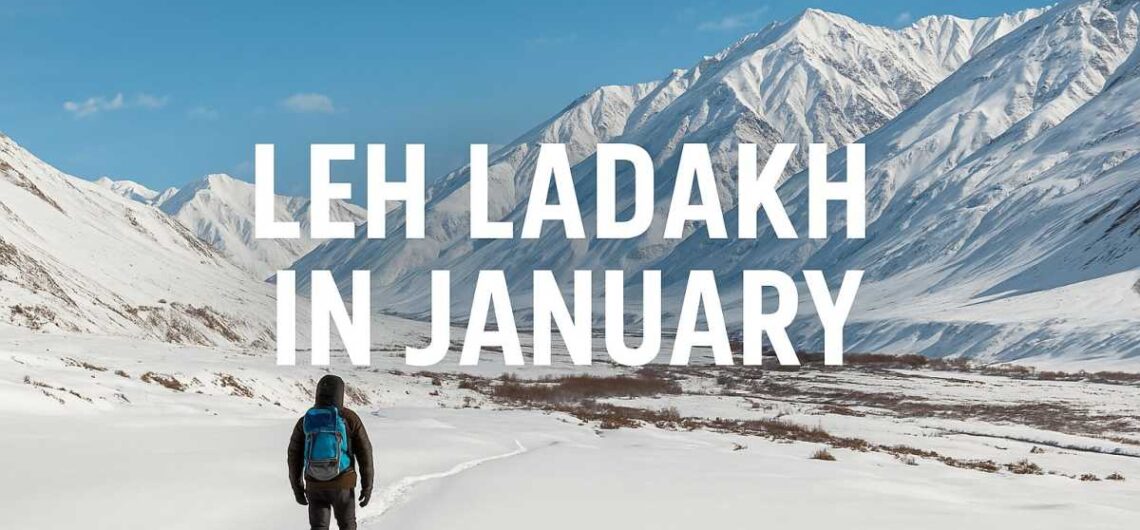
If there is one destination in India that truly defines the meaning of “winter wonderland,” it is Leh Ladakh in January. Covered under a thick white blanket of snow, with frozen lakes, icy rivers, and bone-chilling winds, Ladakh in January is not for the faint-hearted. It is a paradise for adventure seekers, snow lovers, and those who wish to experience the raw beauty of the Himalayas in its harshest yet most magical season. At Discover Leh Ladakh, we specialize in arranging safe, cozy, and memorable winter tours to Ladakh in January, ensuring that our guests enjoy every moment while being comfortable and secure. Weather in Leh Ladakh in January January is the peak winter month in Ladakh, when both day and night temperatures remain well below freezing. Daytime temperature: Around –5°C (can vary between –3°C to –8°C). Nighttime temperature: Anywhere between –15°C to –25°C, and sometimes even colder. Because of these extreme conditions, all lakes and rivers freeze completely. The world-famous Pangong Lake, Tso Moriri, Tsokar, Kyagar Tso, and other smaller lakes turn into frozen sheets of ice, where even walking on the surface is possible. Parts of the Zanskar River also freeze, which sets the stage for the legendary Chadar Trek – one of the most unique trekking experiences in the world. Snowfall is common in January, and many parts of Ladakh are beautifully covered with snow, offering breathtaking photography opportunities. Accessibility – How to Reach Ladakh in January One of the most common questions travelers ask is: “Is Ladakh open in January?” The answer is Yes. By Road: The Leh–Srinagar Highway and the Leh–Manali Highway remain closed in January due to heavy snow at passes like Zojila, Baralacha La, and Taglang La. So, road travel is not possible. By Air: The only way to reach Ladakh in January
If there is one destination in India that truly defines the meaning of “winter wonderland,” it is Leh Ladakh in January. Covered under a thick white blanket of snow, with frozen lakes, icy rivers, and bone-chilling winds, Ladakh in January is not for the faint-hearted. It is a paradise for adventure seekers, snow lovers, and
If you are wondering whether Leh Ladakh is open for tourists in winter, the answer is YES. Despite extreme cold weather and road closures, a large number of adventurous travelers now visit Ladakh in winter months to experience its magical frozen landscapes, snowfall, culture, winter photography, and thrilling treks like the Chadar Trek on the frozen Zanskar River. Winter in Ladakh offers a completely different experience compared to summer. From walking on frozen lakes like Pangong Tso and Tso Moriri, witnessing breathtaking winter photography opportunities, to experiencing the raw culture of Ladakh in off-season, winter tourism in Ladakh has grown rapidly in recent years. How to Reach Leh Ladakh in Winters? During winters, both Srinagar–Leh highway and Manali–Leh highway remain closed due to heavy snowfall. However, Ladakh is connected throughout the year by air. Daily flights from Delhi to Leh Airport (Kushok Bakula Rimpochee Airport) ensure smooth connectivity. There are also connecting flights available from Mumbai, Kolkata, Bangalore, Chennai, Goa, and other Indian cities. So, even in the coldest months like December, January, and February, you can easily fly into Leh. Temperature in Leh Ladakh in Winters Ladakh experiences bone-chilling cold in winters. The temperature often drops to -20°C or even lower, especially during January and February. Daytime temperature: Can range between -2°C to -5°C (sometimes slightly warmer on sunny days). Night temperature: Can drop to -15°C in Leh and Nubra, and even below -25°C at high-altitude lakes like Pangong Tso and Tso Moriri. Temperature at Drass can dip below -40°C If you are not too sensitive to cold, Ladakh in winters is a once-in-a-lifetime experience. Winter Tour Packages for Leh Ladakh https://discoverlehladakh.in/winter-leh-ladakh-tour-package-4-days.htm https://discoverlehladakh.in/leh-ladakh-winter-tour-package-for-5-nights-6-days.htm https://discoverlehladakh.in/leh-ladakh-winter-tour-package-7-days.htm Do Hotels Remain Open in Ladakh During Winters? Most hotels in Ladakh remain closed in the winter season because of extreme weather. However, some hotels
If you are wondering whether Leh Ladakh is open for tourists in winter, the answer is YES. Despite extreme cold weather and road closures, a large number of adventurous travelers now visit Ladakh in winter months to experience its magical frozen landscapes, snowfall, culture, winter photography, and thrilling treks like the Chadar Trek on the