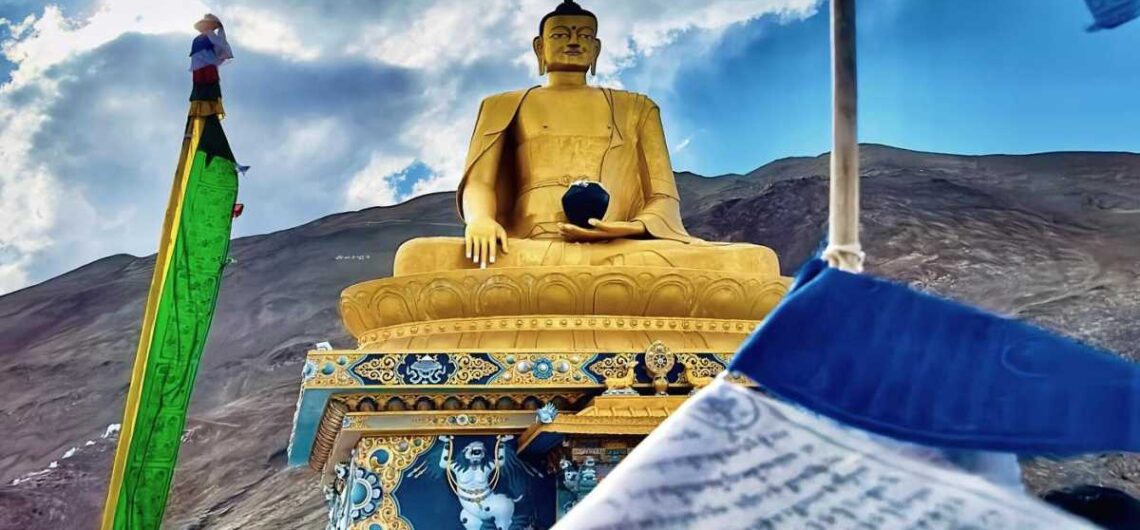
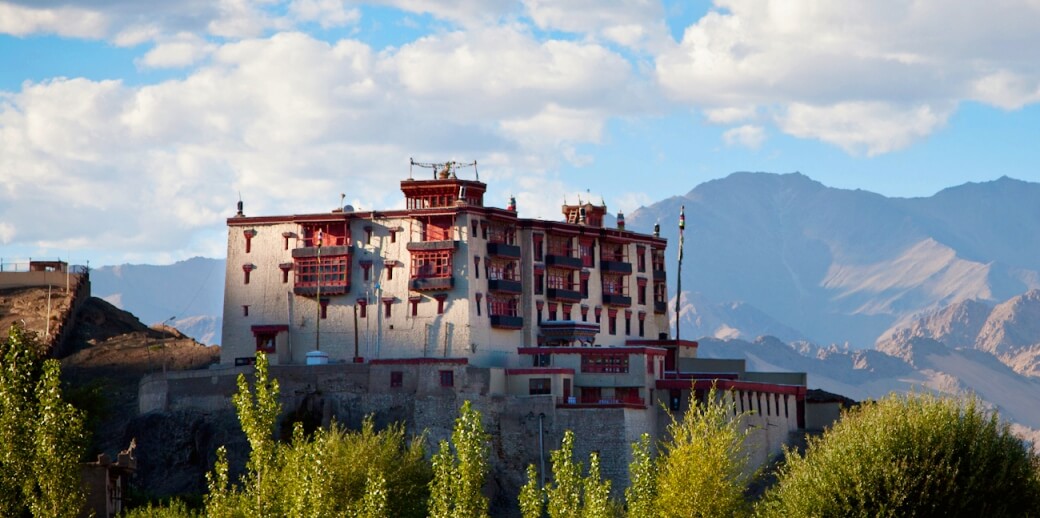
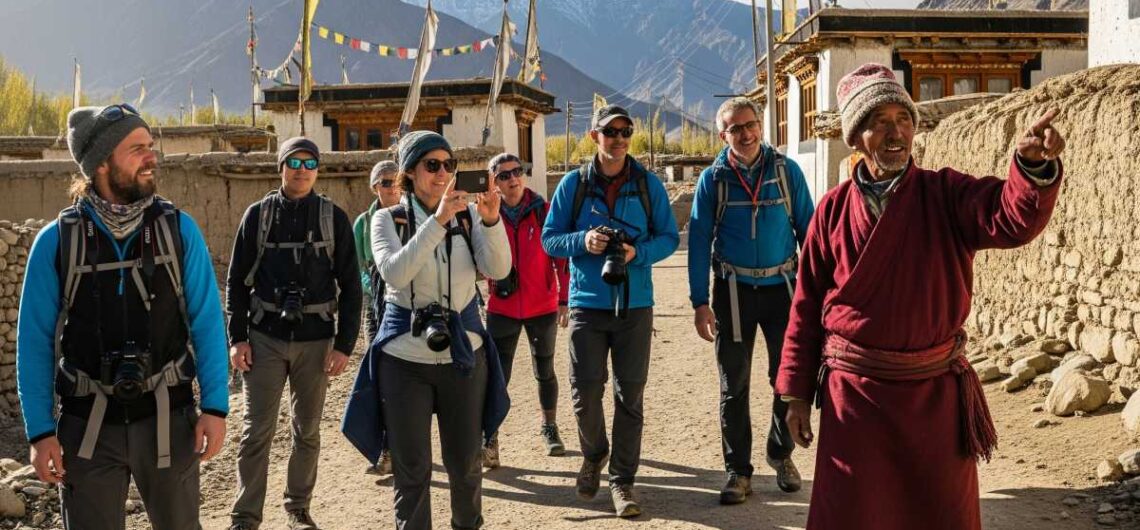
Cultural tours in Leh Ladakh are the perfect way to go beyond breathtaking landscapes and immerse yourself in the rich heritage, traditions, and lifestyles of the people who call this high-altitude desert home. Ladakh is not just about snow-clad peaks and turquoise lakes — it’s about warm smiles, ancient monasteries, centuries-old customs, and the timeless rhythm of village life. From the bustling bazaar of Leh town to the remote hamlets of Zanskar Valley, every corner of Ladakh tells a story. Cultural tours give travelers the opportunity to visit villages, meet local families, stay in traditional homes, and experience the daily life of Ladakhi people — an unforgettable journey into the heart of the Himalayas. Some popular Cultural Tours Itineraries 1. Cultural Tour Itinerary – Leh, Nubra Valley, Pangong Lake & Dha Hanu (8 Days) Day 1 – Arrival in Leh Acclimatize to high altitude (11,500 ft) Evening walk around hotel (if feeling well) Stroll through Leh Market and taste local Ladakhi dishes Day 2 – Leh Cultural Exploration Visit Hemis and Thiksey Monastery for morning prayers Explore Shey Palace, Stok Palace Museum Walk in Saboo Village to experience traditional Ladakhi homes and farming Day 3 – Leh to Nubra Valley (via Khardung La) Cross Khardung La (once the highest motorable pass) Visit Diskit Monastery & the giant Maitreya Buddha statue Evening in Sumoor Village with a traditional Ladakhi homestay Day 4 – Nubra Valley Villages Visit Hunder for Bactrian camel rides Explore Turtuk – a Balti village with unique culture and apricot orchards Learn traditional Balti cooking from locals Day 5 – Nubra to Pangong Lake (via Shyok Route) Drive through remote villages like Durbuk and Tangtse Evening at Spangmik Village – enjoy cultural interaction with locals by the lake Day 6 – Pangong to Leh Return via Chang La
Cultural tours in Leh Ladakh are the perfect way to go beyond breathtaking landscapes and immerse yourself in the rich heritage, traditions, and lifestyles of the people who call this high-altitude desert home. Ladakh is not just about snow-clad peaks and turquoise lakes — it’s about warm smiles, ancient monasteries, centuries-old customs, and the timeless
Sumur, also spelled Sumoor, is a tranquil and scenic village located in the Nubra Valley of Ladakh, known for its rich cultural heritage, beautiful landscapes, and growing popularity among tourists. Nestled on the way to Panamik Hot Springs and the Siachen Glacier Base Camp, Sumoor offers a perfect blend of natural beauty, spiritual experience, and authentic Ladakhi hospitality. Whether you're planning a short stay in Nubra or a longer exploration of the valley, Sumoor village is now emerging as a must-visit destination, offering cozy hotels, guesthouses, and unique cultural experiences. Sumur (or Sumoor) is a picturesque village known for its lush greenery, tranquil vibes, and the famous Samstanling Monastery. Located on the way to Panamik and the Siachen Glacier, Sumur is a perfect stop for travelers seeking peace amidst Ladakh’s rugged landscapes. With the rise in tourism, Sumur now boasts luxury camps, cozy guesthouses, and boutique hotels, making it an ideal base for exploring Nubra Valley. 📍 Where is Sumur Located? Sumoor is located in the Leh district of Ladakh, in the heart of the Nubra Valley, about 125 km from Leh and around 30 km from Diskit and 37 km from Hunder. It lies along the Shyok/Nubra River, on the route from Diskit to Panamik, and further towards Siachen Base Camp. 🧭 Route: Leh → Khardung La Pass → Khalsar → Sumoor The road to Sumoor is scenic, with dramatic mountain views, sand dunes, and river crossings, making it a memorable journey in itself. 🛏️ Stay in Sumur: Growing Hospitality Scene Sumoor village is now home to many popular hotels and guesthouses that cater to all types of travelers — from budget backpackers to luxury seekers. These accommodations offer warm Ladakhi hospitality, modern amenities, and beautiful views of the valley. 🕌 Sumoor Monastery – A Spiritual Retreat The Samstanling Monastery, commonly referred to as Sumoor
Sumur, also spelled Sumoor, is a tranquil and scenic village located in the Nubra Valley of Ladakh, known for its rich cultural heritage, beautiful landscapes, and growing popularity among tourists. Nestled on the way to Panamik Hot Springs and the Siachen Glacier Base Camp, Sumoor offers a perfect blend of natural beauty, spiritual experience, and
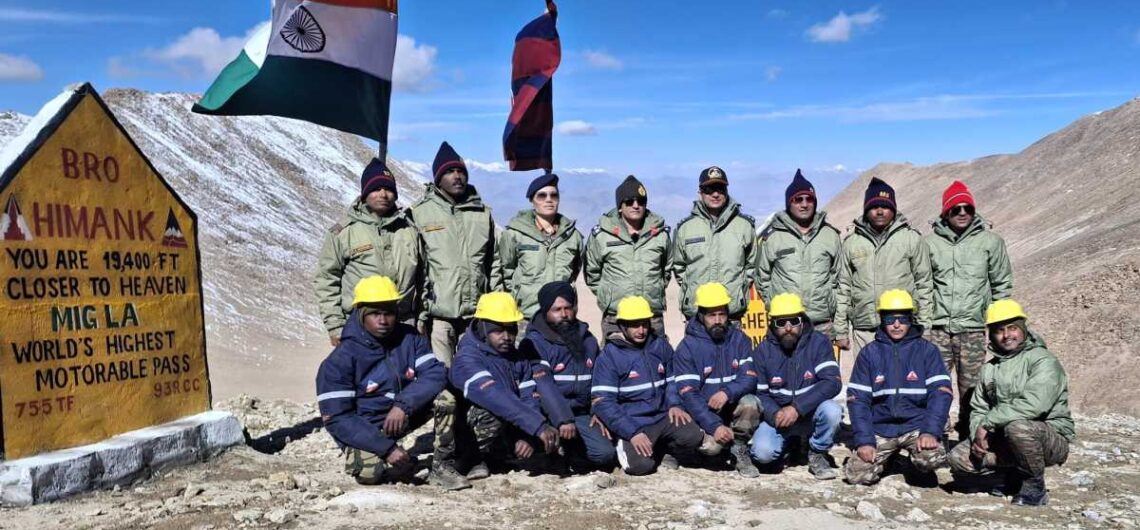
At a staggering 19,400 feet, Mig La Pass (also called Migla Pass) in Ladakh’s Leh district has become the highest motorable mountain pass in the world, surpassing the current record-holder, Umling La Pass (19,024 feet). Located near Hanle on the 64-km-long Likaru-Mig La-Fukche road, this high-altitude pass is close to the Indo-China border, making it a strategically significant route. While Khardung La (17,582 feet) once held the title of the world’s highest motorable pass, it was later surpassed by Marsimik La (18,314 feet) and then Umling La (19,024 feet). Umling La holds the Guinness Book of World Record of being the highest motorable pass in the world. With Border Roads Organisation (BRO) unfurling flag at Mig La on October 01, 2025, this high altitude pass has taken the crown, offering thrill-seekers and adventure enthusiasts a new extreme destination in the Himalayas. Fukche is just 3km from LAC. BRO has completed construction of the road to Mig La on October 1 which is expected to be open for tourists in summer season of 2026. 🧭 Elevation & Importance 🏞️ Altitude: 19,400 feet (5,913 meters) 📌 Route: Likaru → Mig La → Fukche 📍 Nearby Places: Hanle, Demchok, Umling La, and Koyul With Mig La Pass becoming accessible, India has again claimed the title for the highest motorable road on Earth, ahead of any other country. An all-woman unit of the BRO had begun the construction of the Likaru-Mig La-Fukche road. A five-member team of women combat engineers headed by Colonel Ponung Doming was supervising the road construction. The construction of the road started on August 15, 2023 with an initial budget of Rs 520 cr. According to Indian Army post: #BRO creates history again! Border Roads Organisation #BRO has once again created history as Project Himank constructed the world’s highest motorable road at Mig La Pass (19,400 ft) in #Ladakh surpassing its own Guinness
At a staggering 19,400 feet, Mig La Pass (also called Migla Pass) in Ladakh’s Leh district has become the highest motorable mountain pass in the world, surpassing the current record-holder, Umling La Pass (19,024 feet). Located near Hanle on the 64-km-long Likaru-Mig La-Fukche road, this high-altitude pass is close to the Indo-China border, making it a strategically significant route. While Khardung La (17,582
Leh Ladakh in November: November marks the official beginning of winter in Ladakh, transforming this high-altitude desert into a serene, snow-kissed paradise. While the temperatures drop below freezing, the landscapes become even more magical, offering a unique experience for adventurous travelers. If you're looking for solitude, crisp mountain air, and breathtaking views without the usual tourist crowds, November is an excellent time to visit Ladakh. Why Visit Leh Ladakh in November? 1. Peaceful & Crowd-Free Travel November is the start of the off-season in Ladakh, meaning fewer tourists and a more tranquil experience. You’ll have popular attractions like Pangong Lake, Nubra Valley, and monasteries almost to yourself. 2. Clear Skies & Stunning Views With minimal cloud cover, November offers crystal-clear views of snow-capped peaks and star-studded night skies—perfect for photography enthusiasts. 3. Winter Adventure Without Extreme Cold While nights are freezing, daytime temperatures are bearable with proper clothing. Unlike peak winter (December-February), November is milder, making it ideal for those who want a winter experience without extreme conditions. 4. Snow at High-Altitude Passes Khardung La and Chang La passes usually see light snowfall in November, adding to the thrill of the journey. 🏨 Hotels in November: Where to Stay? While many hotels close from November to March due to freezing water pipes, heating issues, and water shortages, a growing number of winter-ready hotels with central heating and running water remain open in: Leh City Nubra Valley (Diskit, Hunder, Turtuk) Pangong Lake Area These hotels range from budget guesthouses to luxury stays, equipped with modern heating systems to ensure comfort. Leh Ladakh in November: A Quiet, Snowy Wonderland for Adventurous Souls If you're someone who enjoys serene landscapes, snow-kissed mountains, and offbeat travel experiences, Ladakh in November is a hidden gem waiting to be explored. This is when the winter
Leh Ladakh in November: November marks the official beginning of winter in Ladakh, transforming this high-altitude desert into a serene, snow-kissed paradise. While the temperatures drop below freezing, the landscapes become even more magical, offering a unique experience for adventurous travelers. If you’re looking for solitude, crisp mountain air, and breathtaking views without the usual
Perched majestically on a hilltop overlooking the Indus Valley, Chemrey Monastery (Chemrey Gompa) is one of Ladakh’s most stunning and spiritually significant monasteries. Located 45 km from Leh on the way to Pangong Lake, this 17th-century gem is a must-visit for both pilgrims and travelers seeking Ladakh’s cultural and scenic beauty. At Discover Leh Ladakh, we include Chemrey Monastery in our cultural and scenic tour packages, offering visitors a glimpse into Ladakh’s rich Buddhist heritage and panoramic Himalayan landscapes. 📍 Location & How to Reach Chemrey Monastery Distance from Leh: 45 km (1 to 1.5-hour drive) Route: On the Leh-Pangong Lake road (ideal stopover for travelers travelling to/from Pangong lake). Altitude: 3,800 meters (12,500 ft) – offers unmatched valley views. 🚗 Best Ways to Visit ✔ Leh to Chemrey Day Trip – Combine with Hemis, Shey & Thiksey Monasteries. ✔ Pangong to Leh Return Trip – Perfect stop to break the journey. ✔ Private Taxi / Bike Ride – Scenic route through Chang La Pass. 🏔️ Why Visit Chemrey Monastery? ✅ One of Ladakh’s Oldest Monasteries – Founded in 1664 by King Tenzin Repa. ✅ Stunning Hilltop Location – 360° views of the Indus Valley & snow-capped peaks. ✅ Sacred Relics & Architecture – Houses a 12-meter-high statue of Padmasambhava (Guru Rinpoche). ✅ Chemrey Angchok Festival – Masked dances (Cham) held every November. ✅ Less Crowded – More peaceful than Hemis or Thiksey. 🕌 Inside Chemrey Monastery – What to See? 1. Main Prayer Hall (Dukhang) Giant golden statue of Guru Rinpoche (Padmasambhava). Ancient Buddhist murals, thangkas, and manuscripts. 2. Sacred Relics & Temples Skull of King Sengge Namgyal (preserved as a relic). Kangyur (Buddhist scriptures) written in gold ink. 3. Monastery Courtyard & Views Photogenic vantage points of the Indus Valley. Prayer wheels & stupas surrounding the complex. 4. Chemrey Angchok Festival (Nov 28-29) Masked dances (Cham) by monks. Local villagers gather for blessings. 📅 Best Time to Visit May to October: Pleasant weather, clear roads. November: For the Chemrey Angchok Festival. Winter (Dec-Early April): Accessible but very cold (snow adds magic). 💡 Travel Tips ✔ Dress modestly (cover shoulders/knees). ✔ Remove shoes before entering temples. ✔ Carry water & sunscreen (high-altitude sun is
Perched majestically on a hilltop overlooking the Indus Valley, Chemrey Monastery (Chemrey Gompa) is one of Ladakh’s most stunning and spiritually significant monasteries. Located 45 km from Leh on the way to Pangong Lake, this 17th-century gem is a must-visit for both pilgrims and travelers seeking Ladakh’s cultural and scenic beauty. At Discover Leh Ladakh, we include Chemrey Monastery in our cultural and scenic tour
Perched dramatically on a hillock overlooking Stongdey village, Stongdey Monastery (also called Stongday, Stongde, or Tongde Monastery) is the second-largest monastic institution in Zanskar Valley and one of Ladakh’s most spiritually significant sites. Founded in 1052 AD by Lama Marpa Lotsawa, the famous disciple of Naropa, this 600-year-old Gelugpa monastery is a treasure trove of ancient murals, sacred relics, and breathtaking Himalayan views. At Discover Leh Ladakh, we include Stongdey Monastery in our Zanskar Valley tours, offering travelers a chance to experience its rich Buddhist heritage, stunning architecture, and serene surroundings. In this guide, we’ll cover everything you need to know before visiting—history, festivals, how to reach, and why it’s a must-visit. Popular Zanskar Valley Tour Package https://discoverlehladakh.in/complete-zanskar-valley-tour-package-from-leh.htm https://discoverlehladakh.in/delhi-manali-leh-ladakh-zanskar-delhi-tour-package-by-road.htm https://discoverlehladakh.in/shinkula-and-gonbo-rangjon-tour-package.htm https://discoverlehladakh.in/zanskar-valley-tour-package-with-phugtal-monastery.htm https://discoverlehladakh.in/zanskar-valley-tour-package-from-delhi.htm https://discoverlehladakh.in/zanskar-valley-tour-package-from-manali.htm https://discoverlehladakh.in/zanskar-valley-leh-ladakh-tour-package.htm 📍 Location & How to Reach Stongdey Monastery Distance from Padum (Zanskar HQ): 16 km (30 minutes drive). Route: On the Padum-Nimmu/Zangla road, easily accessible by car. Altitude: 3,800 meters (12,500 ft) – offers panoramic valley views. Road Access: Previously required a short climb, but now directly reachable by road. 🚗 Best Way to Visit From Leh: 2 day road trip via Kargil & Rangdum (450 km) or 1 day road trip via Nimmu/Wanla. From Manali: 1 day road trip via Darcha & Shinku La pass. From Padum: Easy half-day excursion (can be combined with Karsha & Zangla Palace). 🏔️ Why Visit Stongdey Monastery? ✅ One of Zanskar’s Oldest Monasteries – Founded in 1052 AD by Lama Marpa Lotsawa. ✅ Stunning Architecture – Seven temples with gold-outlined black thangka murals. ✅ Gustor Festival – Masked dances & rituals in winter (Tibetan calendar’s 11th month). ✅ Wildlife Spotting – Home to blue sheep (bharal), red foxes, lynx, and snow leopards. ✅ Scenic Beauty – Lush greenery in summer, golden hues in autumn. 🕌 Inside Stongdey Monastery – What to See? 1. The Main Assembly Hall (Dukhang) Houses a golden statue of Je Tsongkhapa (founder of Gelugpa sect). Exquisite murals depicting Buddhist deities on black backgrounds with gold outlines. 2. Seven Ancient Temples Each temple has unique relics, thangkas, and manuscripts. The Tshogs-khang (main temple) is the
Perched dramatically on a hillock overlooking Stongdey village, Stongdey Monastery (also called Stongday, Stongde, or Tongde Monastery) is the second-largest monastic institution in Zanskar Valley and one of Ladakh’s most spiritually significant sites. Founded in 1052 AD by Lama Marpa Lotsawa, the famous disciple of Naropa, this 600-year-old Gelugpa monastery is a treasure trove of ancient murals, sacred relics, and breathtaking Himalayan views. At Discover Leh Ladakh,
Tungri Gompa (Nunnery) – A Hidden Spiritual Gem in Zanskar Valley, Ladakh Nestled in the serene landscapes of Zanskar Valley, Tungri Gompa (Samten Choling Monastery) is a Buddhist nunnery where a small community of nuns, including young girls, dedicates their lives to spiritual practice. Located 14 km from Padum, this peaceful retreat offers travelers a rare glimpse into the simple yet profound life of Buddhist nuns in one of India’s most remote regions. At Discover Leh Ladakh, we believe in promoting offbeat and meaningful travel experiences, and Tungri Gompa is one such destination that deserves more attention. In this guide, we’ll explore everything you need to know before visiting—how to reach, what to expect, cultural insights, and why this nunnery is special. 📍 Location & How to Reach Tungri Gompa Distance from Padum: 14 km (30-minute drive). Route: Take the Padum-Kargil road, cross a bridge, and follow a scenic road to Tungri village. Altitude: Offers stunning views of the Stod River valley. Accessibility: The road is well-connected, with a small parking area near the monastery. 🚗 Best Way to Visit From Leh: 2 day road trip via Kargil & Rangdum (450 km) or via Nimmu-Zangla (170 KM). From Padum: Easy half-day excursion (can be combined with Karsha Monastery & Zangla Palace). 🏔️ Why Visit Tungri Gompa? ✅ Authentic Spiritual Experience – Interact with nuns and learn about their daily rituals. ✅ Stunning Valley Views – Panoramic sights of Zanskar’s lush greenery & Stod River. ✅ Less Touristy – A peaceful alternative to crowded Leh monasteries. ✅ Cultural Immersion – Witness the simple, self-sustaining lifestyle of the nuns. Popular Zanskar Valley Tour Package https://discoverlehladakh.in/complete-zanskar-valley-tour-package-from-leh.htm https://discoverlehladakh.in/delhi-manali-leh-ladakh-zanskar-delhi-tour-package-by-road.htm https://discoverlehladakh.in/shinkula-and-gonbo-rangjon-tour-package.htm https://discoverlehladakh.in/zanskar-valley-tour-package-with-phugtal-monastery.htm https://discoverlehladakh.in/zanskar-valley-tour-package-from-delhi.htm https://discoverlehladakh.in/zanskar-valley-tour-package-from-manali.htm https://discoverlehladakh.in/zanskar-valley-leh-ladakh-tour-package.htm 🕌 Inside Tungri Monastery – What to See? 1. Prayer Hall & Buddhist Practices The main prayer room doubles as a guest area in winter (warmer than other halls). Nuns chant prayers daily at 5 AM and follow Mahayana Buddhist traditions. 2. Simple Yet Sacred Architecture Clay floors, wooden beams, and traditional seating mats. A small stupa and Kangyur texts (108 volumes of Buddha’s
Tungri Gompa (Nunnery) – A Hidden Spiritual Gem in Zanskar Valley, Ladakh Nestled in the serene landscapes of Zanskar Valley, Tungri Gompa (Samten Choling Monastery) is a Buddhist nunnery where a small community of nuns, including young girls, dedicates their lives to spiritual practice. Located 14 km from Padum, this peaceful retreat offers travelers a rare glimpse into the simple yet profound
Following the recent and heinous terrorist attack on innocent tourists in Pahalgam, Kashmir, many travelers are understandably concerned about the safety of visiting Ladakh. In light of these concerns, it is important to clarify the distinction between Jammu & Kashmir and Ladakh, and to reassure all travelers that Ladakh remains a peaceful and secure destination. Ladakh and Jammu & Kashmir are two separate Union Territories of India, divided by vast mountain ranges and governed independently. While Kashmir has seen a strong security presence from the Indian Armed Forces and continues to remain under tight surveillance, Ladakh has maintained its reputation as one of the most peaceful regions in the country. The journey from Srinagar (Kashmir) to Leh (Ladakh) takes nearly two days by road, further underscoring the geographical and logistical separation between the two territories. Even the Lt Governor of UT of Ladakh, Brigadier (Dr) BD Mishra (Retd), stressed on the safe tourism activities for tourists in Ladakh and called for the removal of Ladakh from travel advisories issued by the USA and other nations. https://x.com/lg_ladakh/status/1915341090892505489 Safety in Ladakh Ladakh has not witnessed any terrorist activities and is widely considered to be one of the safest and most tourist-friendly destinations in India. Tourists from across the country and around the world visit Ladakh every year, drawn by its breathtaking landscapes, unique culture, and warm hospitality. Local authorities, travel agents, hoteliers, taxi operators, and every individual associated with the tourism industry are committed to ensuring the safety, comfort, and unforgettable experience of every visitor. If you have already planned or booked a trip to Ladakh, or are considering visiting, you can proceed with full confidence. Ladakh wholeheartedly welcomes tourists from all corners of the globe, and the region's administration has assured all necessary measures to maintain a safe and secure environment. Situation
Following the recent and heinous terrorist attack on innocent tourists in Pahalgam, Kashmir, many travelers are understandably concerned about the safety of visiting Ladakh. In light of these concerns, it is important to clarify the distinction between Jammu & Kashmir and Ladakh, and to reassure all travelers that Ladakh remains a peaceful and secure destination.
Ladakh, with its stunning landscapes, serene monasteries, and thrilling adventures, has become a dream destination for Bengali tourists, especially during Durga Puja holidays (September-October). Every year, thousands of travelers from Kolkata and other cities of West Bengal flock to Ladakh to experience its raw beauty and unique culture. At Discover Leh Ladakh, we specialize in crafting customized Ladakh tour packages for Bengali tourists, keeping in mind their preferences for nature, photography, shopping, and comfort. Whether you want a relaxing family trip or an adventurous journey, we ensure a memorable and hassle-free experience. For millions across West Bengal, Durga Puja is not just a festival; it's a feeling, a time for joyous celebrations, family reunions, and, crucially, a much-anticipated annual holiday. While many might flock to traditional destinations during this vibrant period, an increasing number of Bengali tourists, especially from Kolkata, are choosing the serene and spectacular landscapes of Ladakh as their Durga Puja getaway. This surge of visitors from West Bengal makes September and October a particularly lively time in Ladakh. At Discover Leh Ladakh, we understand this unique affinity. We specialize in organizing curated Leh Ladakh tour packages specifically tailored for tourists from Kolkata and all other parts of West Bengal. We don't just offer trips; we craft experiences that resonate deeply with the Bengali traveler's spirit of exploration and their penchant for discovering nature's hidden treasures. Why Do Bengali Tourists Love Ladakh During Durga Puja? ✅ Perfect Weather – Pleasant days (15-20°C) and cool nights (5-10°C). ✅ Less Crowded – Unlike crowded hill stations, Ladakh offers peaceful exploration. ✅ Unique Experience – A different kind of Puja vacation away from the usual destinations. ✅ Photographer’s Paradise – Pangong Lake, Nubra’s sand dunes, and Hanle’s starry skies are Instagram-worthy! ✅ Shopping for Local Treasures – Pashmina shawls, Tibetan handicrafts, and apricot products are favorites. Most Preferred Destinations for Bengali Tourists 1. Pangong Tso Lake 📌 *5-hour drive from Leh or Nubra* Famous for its changing blue waters (featured in 3 Idiots).
Ladakh, with its stunning landscapes, serene monasteries, and thrilling adventures, has become a dream destination for Bengali tourists, especially during Durga Puja holidays (September-October). Every year, thousands of travelers from Kolkata and other cities of West Bengal flock to Ladakh to experience its raw beauty and unique culture. At Discover Leh Ladakh, we specialize in crafting customized Ladakh tour packages for Bengali tourists, keeping
Tourism in Ladakh During Monsoon Season: Why July-September is Ideal for Visiting While most of India battles heavy rains and landslides during the monsoon season (July to mid-September), Ladakh remains a perfect escape with its minimal rainfall, open roads, and stunning landscapes. Unlike popular hill stations like Shimla, Manali, Kashmir, Uttarakhand, or Darjeeling, where tourism slows down due to incessant rains, Ladakh experiences a steady flow of visitors during these months. This article explores why monsoon is a great time to visit Ladakh, what to expect, and how to plan a hassle-free trip. Why Visit Ladakh in Monsoon Season? 1. Minimal Rainfall – A Rain Shadow Region Ladakh is a high-altitude cold desert, shielded by the Himalayas and Karakoram ranges, preventing heavy monsoon clouds from entering. While other parts of India sometimes face floods and landslides, Ladakh receives only occasional light showers. Rainfall frequency has increased slightly in recent years, but heavy downpours are rare. 2. All Tourist Destinations Remain Open Unlike Kashmir or Himachal, where roads often close due to landslides, Ladakh’s highways (Leh-Manali & Leh-Srinagar) stay operational unless extreme weather hits. All major attractions—Pangong Lake, Nubra Valley, Tso Moriri, Zanskar, Hanle, Turtuk, Siachen Base Camp, Kargil, and other major tourist destinations —remain accessible. 3. Pleasant Weather & Clear Skies Day Temperature: 20°C to 30°C (Leh & Nubra). Night Temperature: 10°C to 15°C (colder at Pangong & Tso Moriri). Blue skies with scattered clouds enhance photography opportunities. 4. Fewer Crowds (Except Peak July-August) September sees fewer tourists, making it ideal for a peaceful trip. Hotels are easily available compared to June-July rush. 5. Festivals & Cultural Events Ladakh Festival (September) – A grand celebration of local culture, dance, and music. Monastic Festivals (Hemis, Thiksey, Lamayuru) – Masked dances (Cham) and rituals. Ladakh: The Rain Shadow Sanctuary The magic of Ladakh during these months lies in its geographical positioning. Nestled in the rain shadow of the mighty Himalayan ranges, it
Tourism in Ladakh During Monsoon Season: Why July-September is Ideal for Visiting While most of India battles heavy rains and landslides during the monsoon season (July to mid-September), Ladakh remains a perfect escape with its minimal rainfall, open roads, and stunning landscapes. Unlike popular hill stations like Shimla, Manali, Kashmir, Uttarakhand, or Darjeeling, where tourism slows down due to